Bait and feeding
Building a bait plan for a 48-hour session
14 October 2026 · 7 min read
A feeding plan that attracts carp, keeps them on the spot, and doesn't fill them up before you have had a chance of a capture.
A long session is not a short session with more bait in the water. Feeding across two nights is about working in phases: attracting fish that are not there, keeping the ones that arrive interested, and never letting the feeding do the job of filling the carp up.
Phase 1 — attract
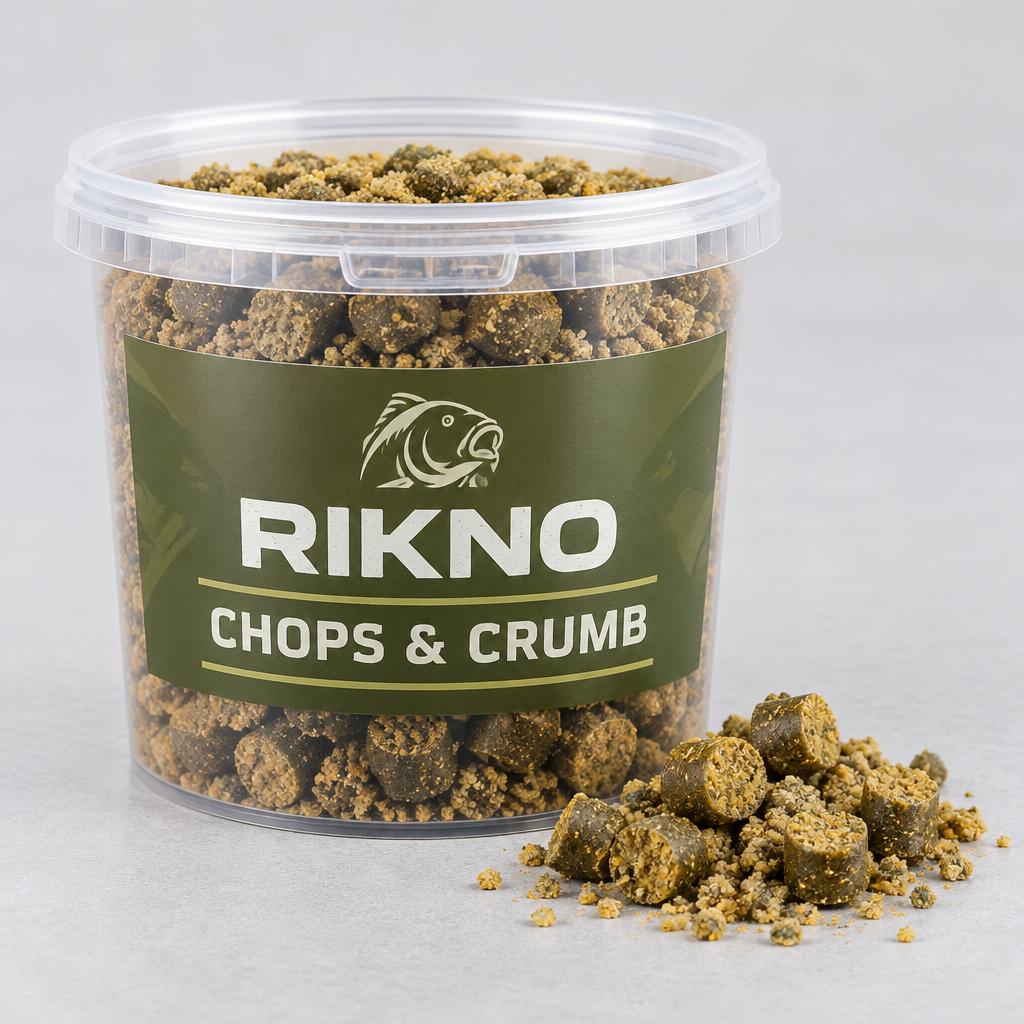
When you first bait a spot you want a signal that travels, not a pile of food. Chopped boilies, crumbs, crushed pellets and liquid work for this because the small particles and the soluble attractants carry further than a whole boilie sitting on the lakebed.
- Feed a small, accurate area rather than a wide scatter — accuracy is worth more than volume.
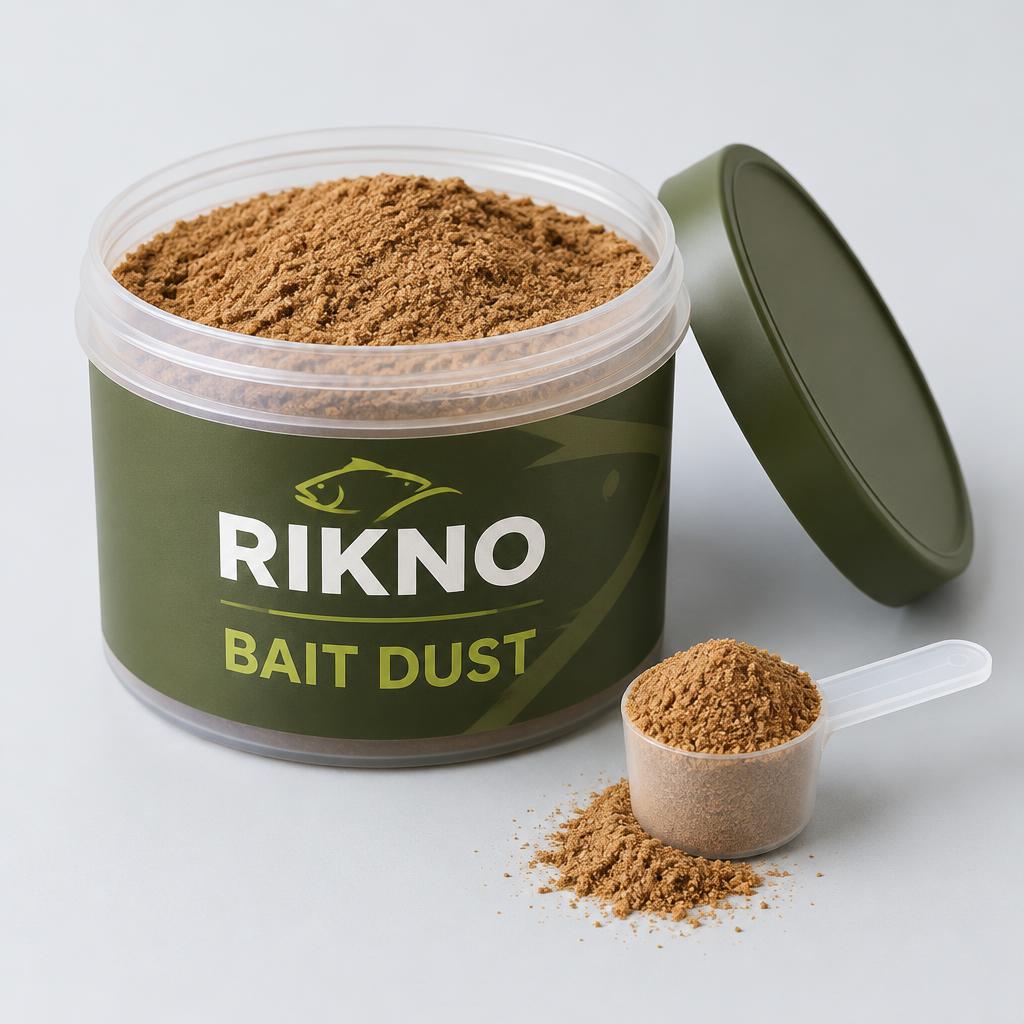
- Use chop, crumb and dust for the initial baiting, and keep whole baits out of the water for now.
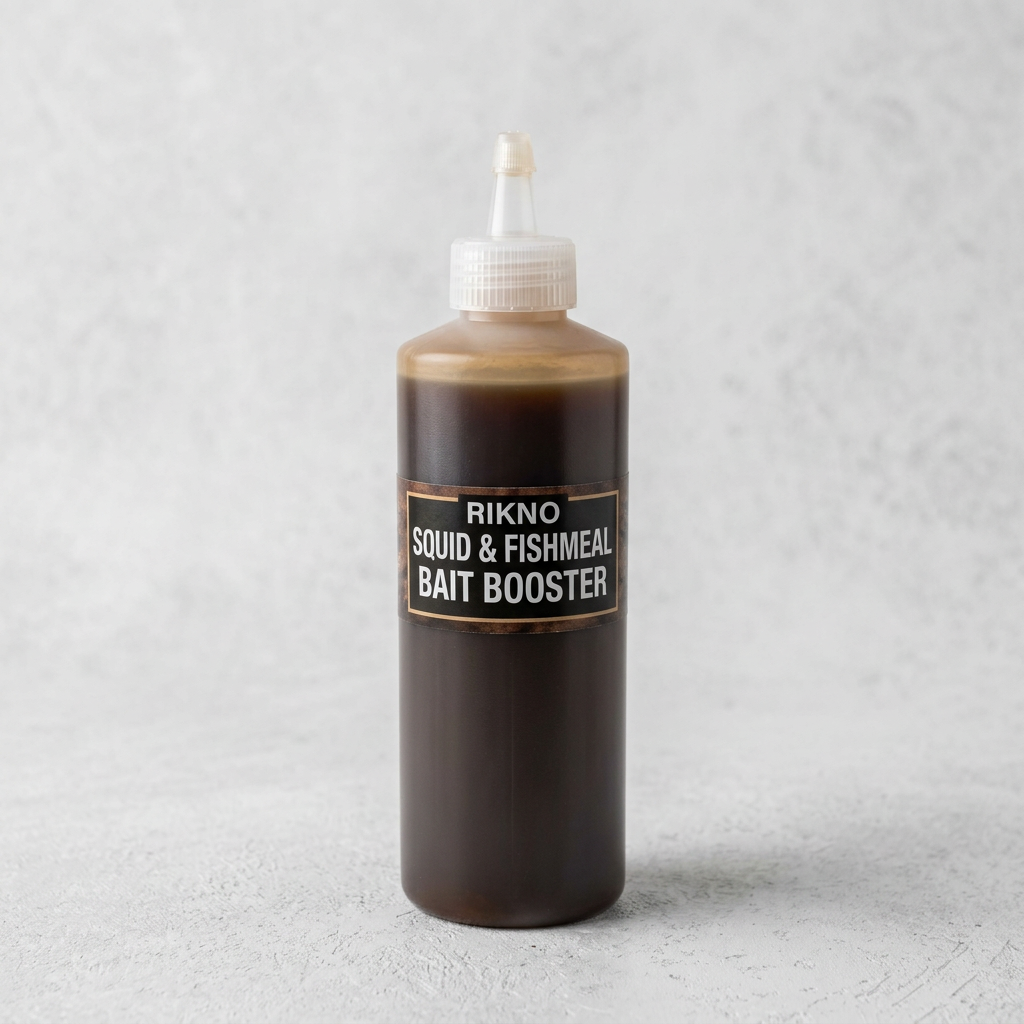
- Add liquid booster or a bait spray to what you put in; it works in cold water where particles spread slowly.
Phase 2 — consolidate
Once you have evidence the fish have found the area — a capture, a roll, a change in the lakebed, a bite — you can start adding whole baits. This is the point where a spot becomes a feeding station rather than a smell in the water.
- Add whole boilies and hard hookers in small, regular quantities.
- Keep the hookbait clearly different from the food bait, either in size, colour or flavour.
- Feed to a schedule you can hold across two nights, not a single large hit.
Phase 3 — hold
Through the middle of the session the goal is to keep fish on the spot without overfeeding. This is where most long sessions are lost: the angler feeds what he has left because there is some left, and the carp stop needing to hunt.
- Reduce the quantity if you are getting bites and not fish — the carp are over the food but not committing.
- Vary the size of what you feed: a mix of sizes keeps fish working rather than taking one mouthful and leaving.
- Stop feeding entirely if the swim is dead to bites for a long stretch and the fish have clearly moved on.
Phase 4 — finish
In the last hours, the bait should be doing less work. Keep a few baits in the water and leave the hookbait where it is. If you have been feeding steadily, a final large feed as you pack up rarely helps and often spooks what is left.
Every venue sets its own bait limits, and they exist for good reasons. Plan your quantities against the rules before you load the car, not after you arrive.
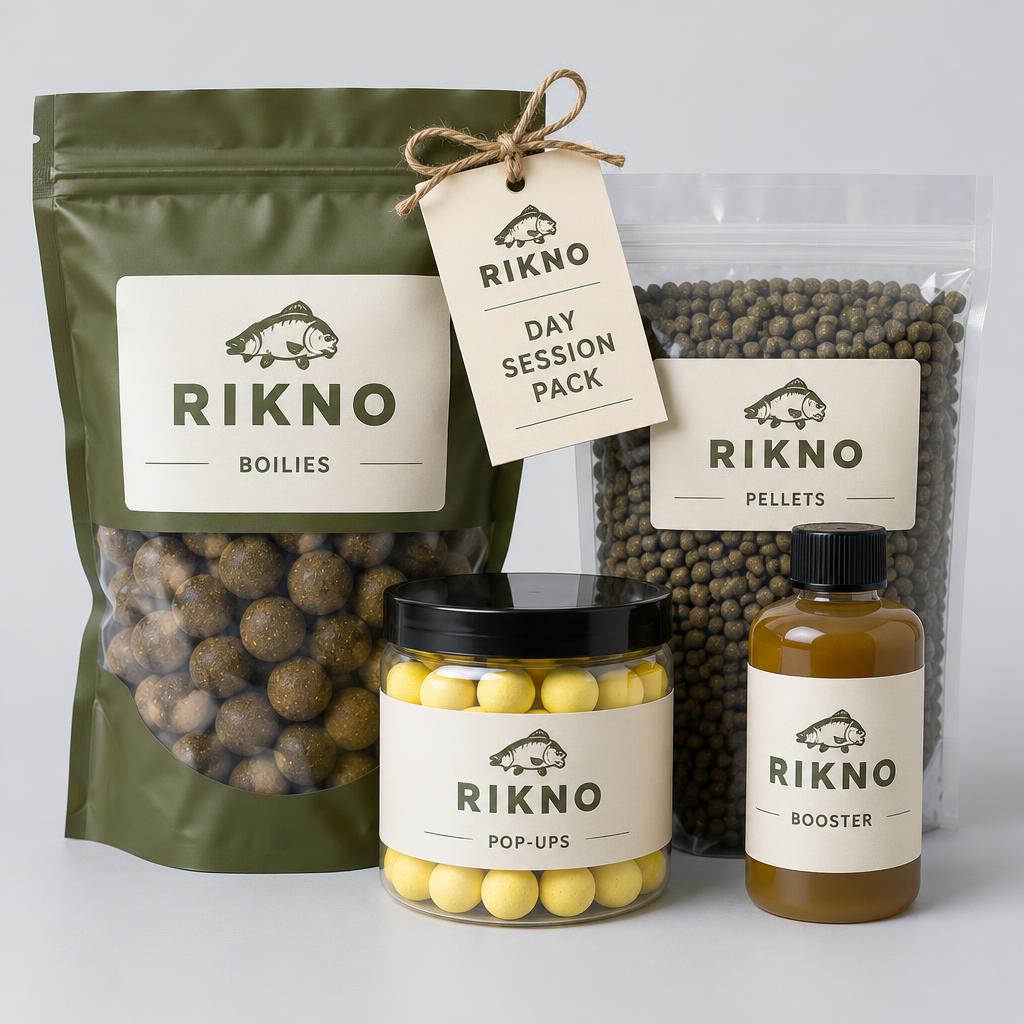
Kit mentioned in this guide
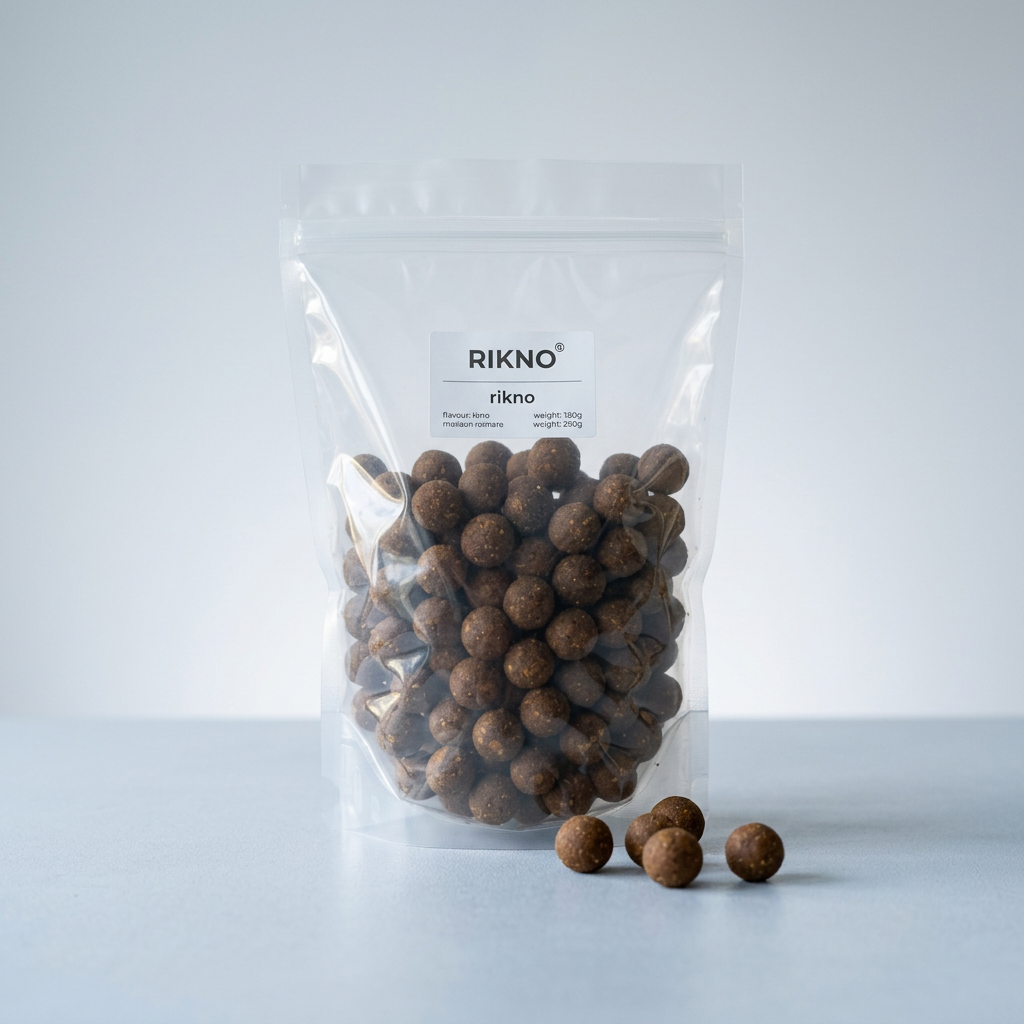
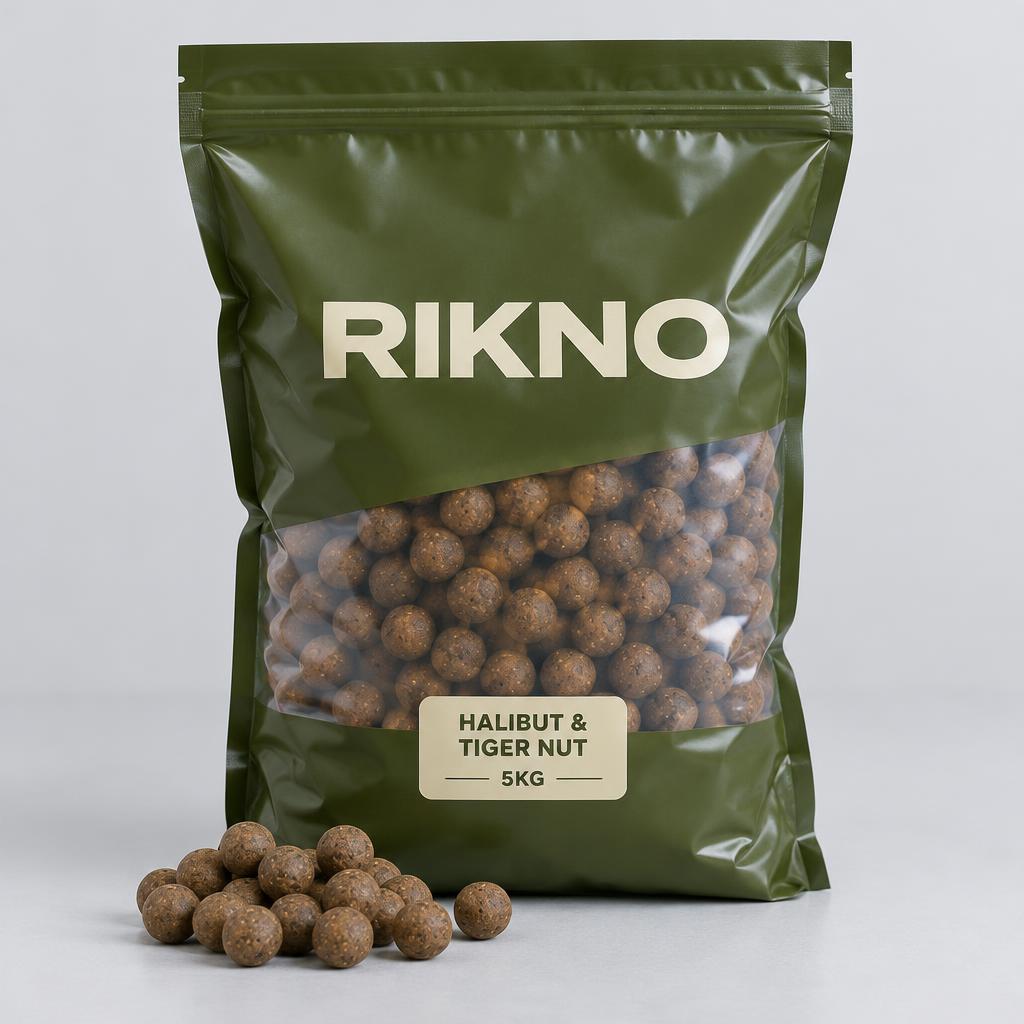
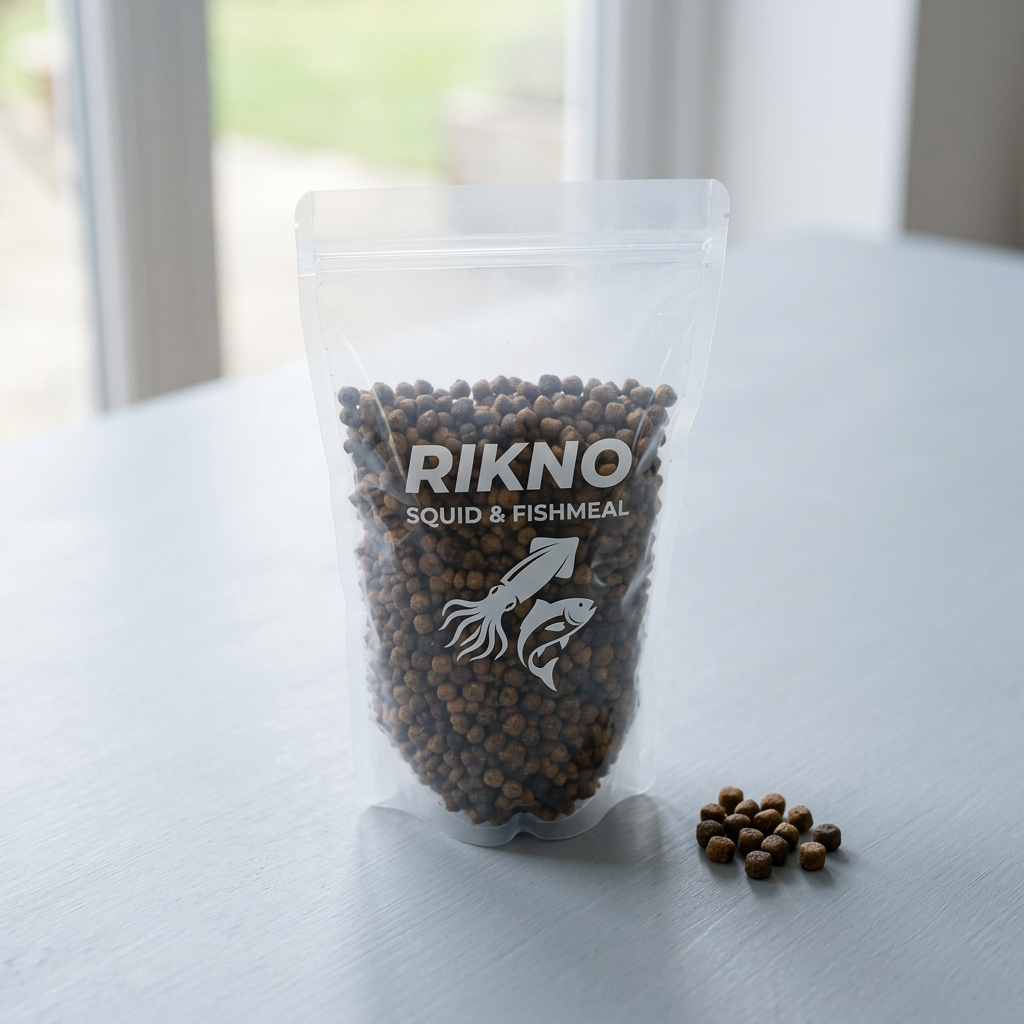
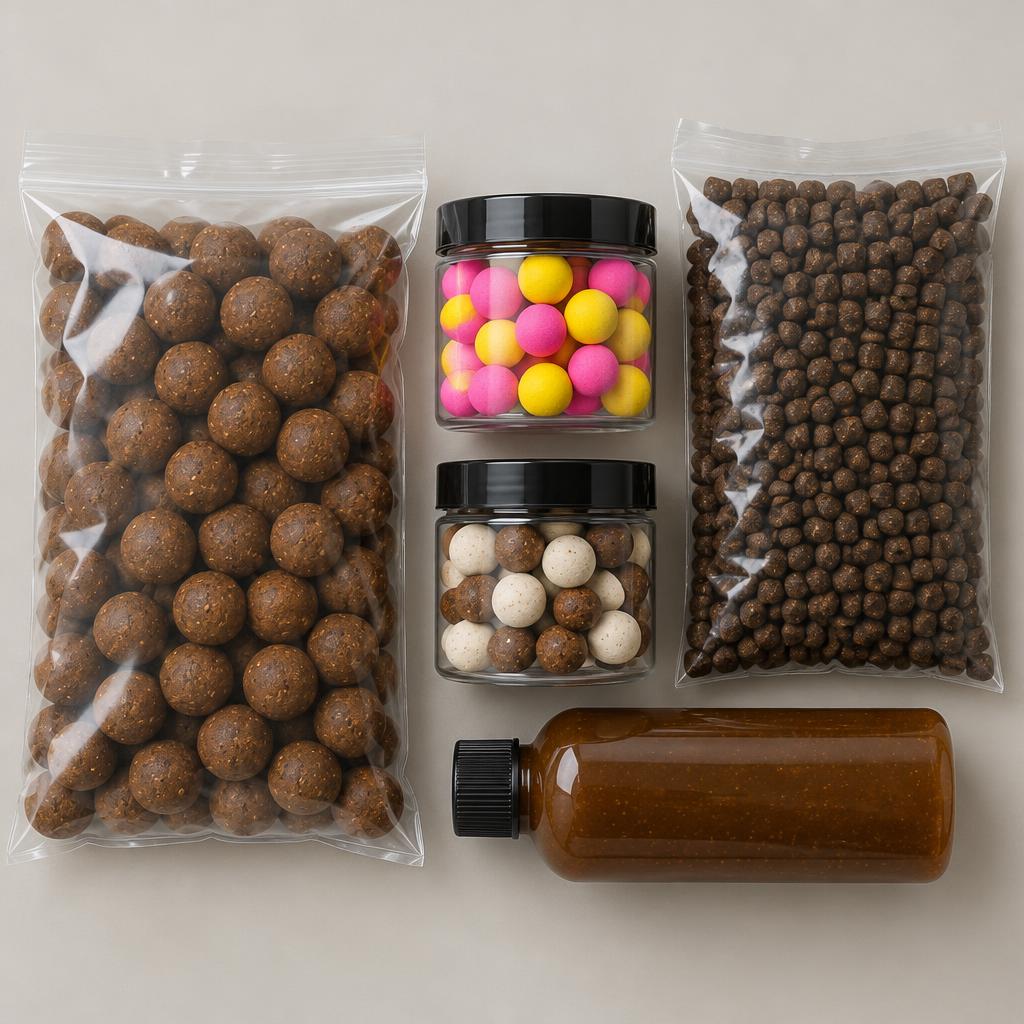
Items from the RIKNO range that fit what this guide covers.
More guides
Reading water
How to fish silt, mud, clay and sand
The lakebed decides how your bait sits and how visible it is. Here is how to read it and match your presentation to it.
Rigs and terminals
Choosing the right pop-up rig: spinner, hinged stiff or multi
Three pop-up presentations, three different jobs. What each one does, when it works, and how to fish it.
Reading water
Reading a new venue: finding fish before you cast
How to work out where carp are holding in water you have never fished, using what you can see and what you can feel.
Want a setup for your next trip?
Tell the setup advisor your target species, venue and conditions and it will put together a setup from the RIKNO range.
Get setup advice