
Reading water
How to fish silt, mud, clay and sand
14 October 2026 · 6 min read
The lakebed decides how your bait sits and how visible it is. Here is how to read it and match your presentation to it.
Two anglers can fish the same mark on the same day and get completely different results because one is fishing the lakebed and the other is fishing the swim. Bait presentation is not one setting. It changes with what is underneath the bait, and the four common bottoms — silt, mud, clay and sand — each ask for something different.
Find out what you are fishing over
Before you commit, spend ten minutes finding out what is under the lead. A marker float and a length of leadcore will tell you more than guessing ever will: cast out, slide the lead back along the bottom and feel what comes up on the line. Silt and mud coat the lead and smell earthy; clay and sand come up clean and often carry a little weed.
- Leadcore or a marker float with a light lead is enough — you are reading the bottom, not casting for distance.
- Note the distance to each change of lakebed. A gravel bar two rods out is a fish-carrying feature worth coming back to.
- If your lead comes up with a smell and a coating, assume your bait will sink in and become invisible.
Silt and mud: keep the bait up
Silt is the most common reason a bait goes uncaught. A sinking hookbait pushed into soft silt can disappear under the surface entirely, and no amount of flavour will bring a carp back to a bait it cannot see. On soft ground, presentation beats bait choice every time.
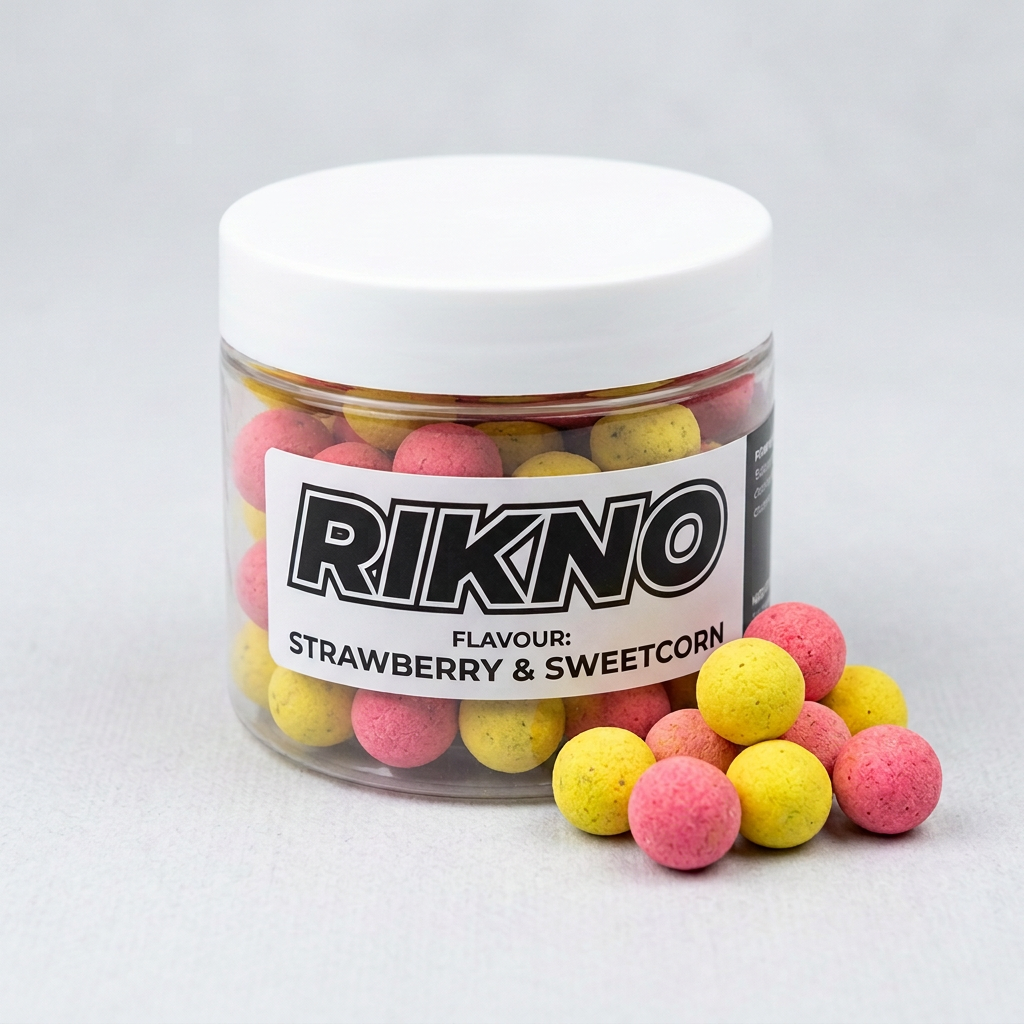
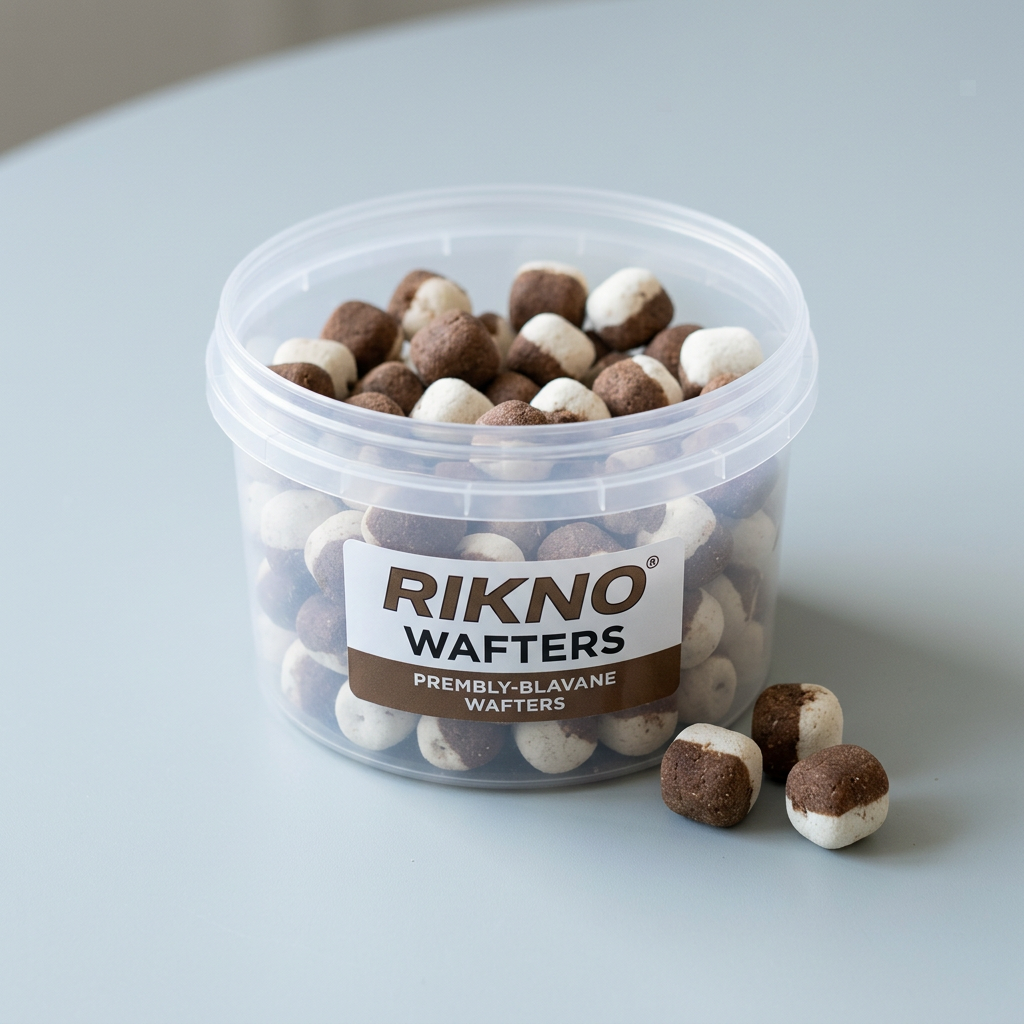
- Use a buoyant bait: a pop-up, a wafter, or a balanced bait that just touches the lakebed.
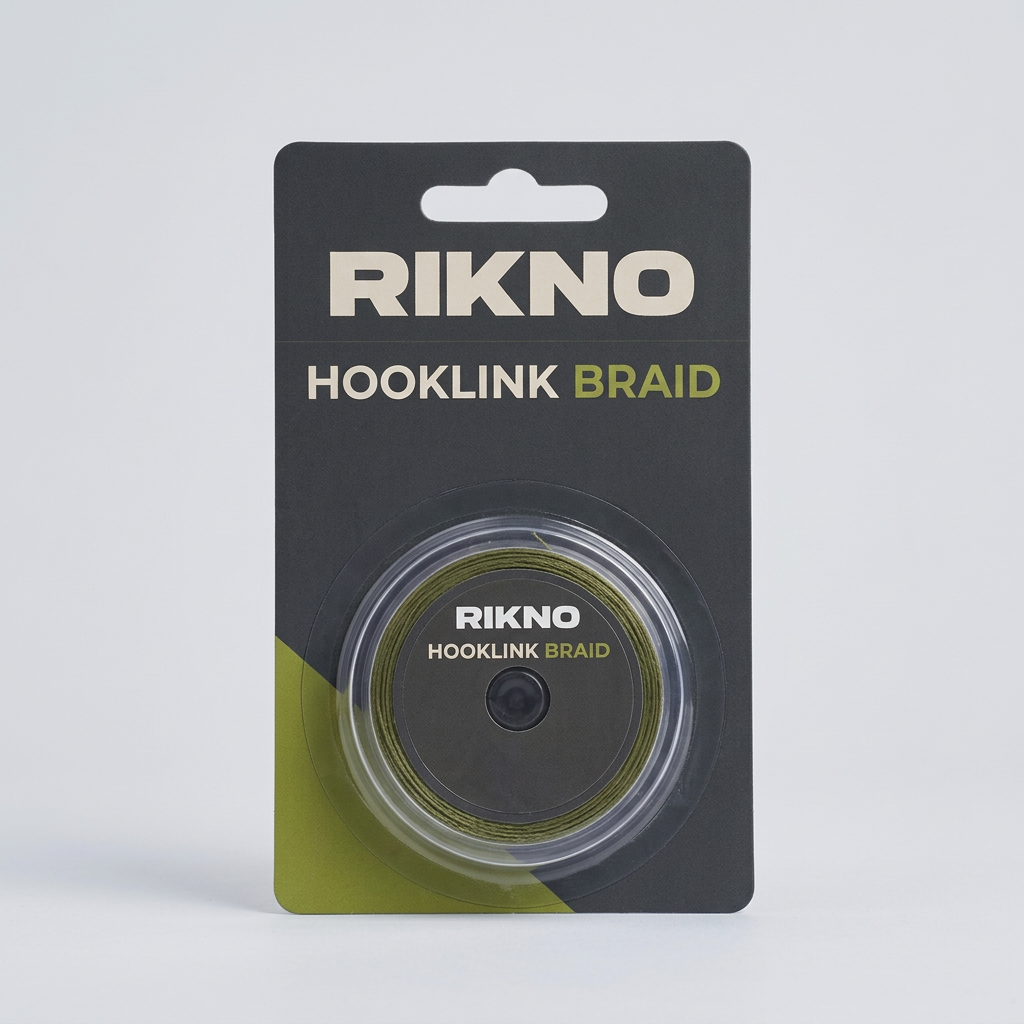
- Keep the hooklink short so the bait sits close to where the carp is rooting, and keep it soft rather than stiff.
- Fish a lighter lead or a lead clip that can be dropped if the lead is burying and holding the rig down.
- Avoid big piles of loose feed on soft ground — it sinks in and creates a smothered feeding area rather than a visible one.
Clay and gravel: fish the deck
Firm ground is the opposite problem. A bait on clay or gravel is already visible, so you can afford to fish a sinking bait on the deck and concentrate on attraction rather than presentation. This is where chopped boilies, crumbs and pellets work well, because they sit on the surface of the lakebed where the fish can find them.
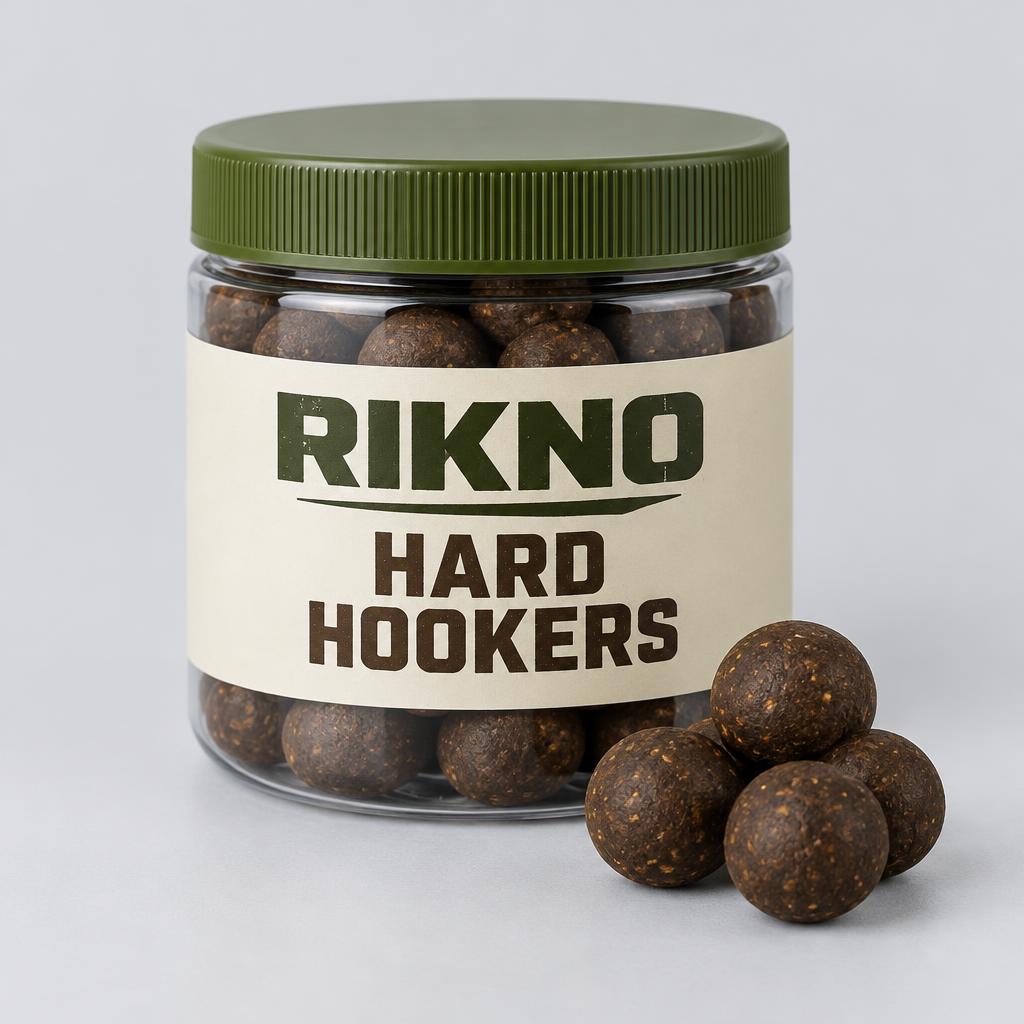
- A sinking hookbait or a hard hooker on the deck is fine here.
- Loose feeds of chop, crumb and pellets pay off because they stay visible.
- A slightly longer hooklink is often picked up more naturally on firm ground.
Sand: clean, firm and often weedy
Sandy areas are usually shallow, clear and warm, and they frequently carry weed along the edges. The bait sits up, so presentation is simple, but the weed is the thing to manage: a bait dropped into thick weed will be hidden, and a rig pulled through it will tangle.
- Fish the clear patches between weed beds rather than the weed itself.
- A short hooklink and a buoyant bait keeps the presentation tidy in weedy water.
- Sandy shallows warm quickly, so they are often worth a look on cold, bright days when the fish have moved up.
If you only take one thing from this: check your lakebed before you choose your bait. The bottom decides whether your hookbait needs to float, hover or sit.
Kit mentioned in this guide
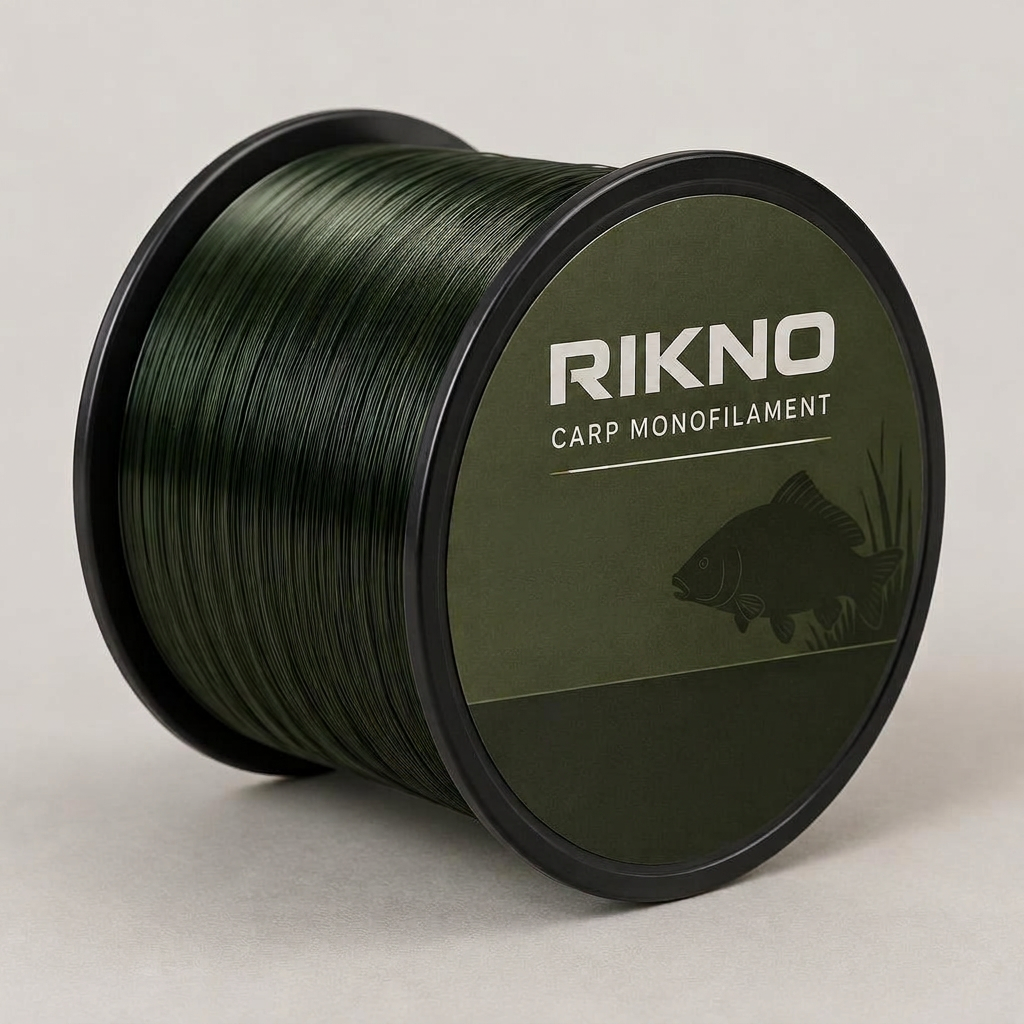
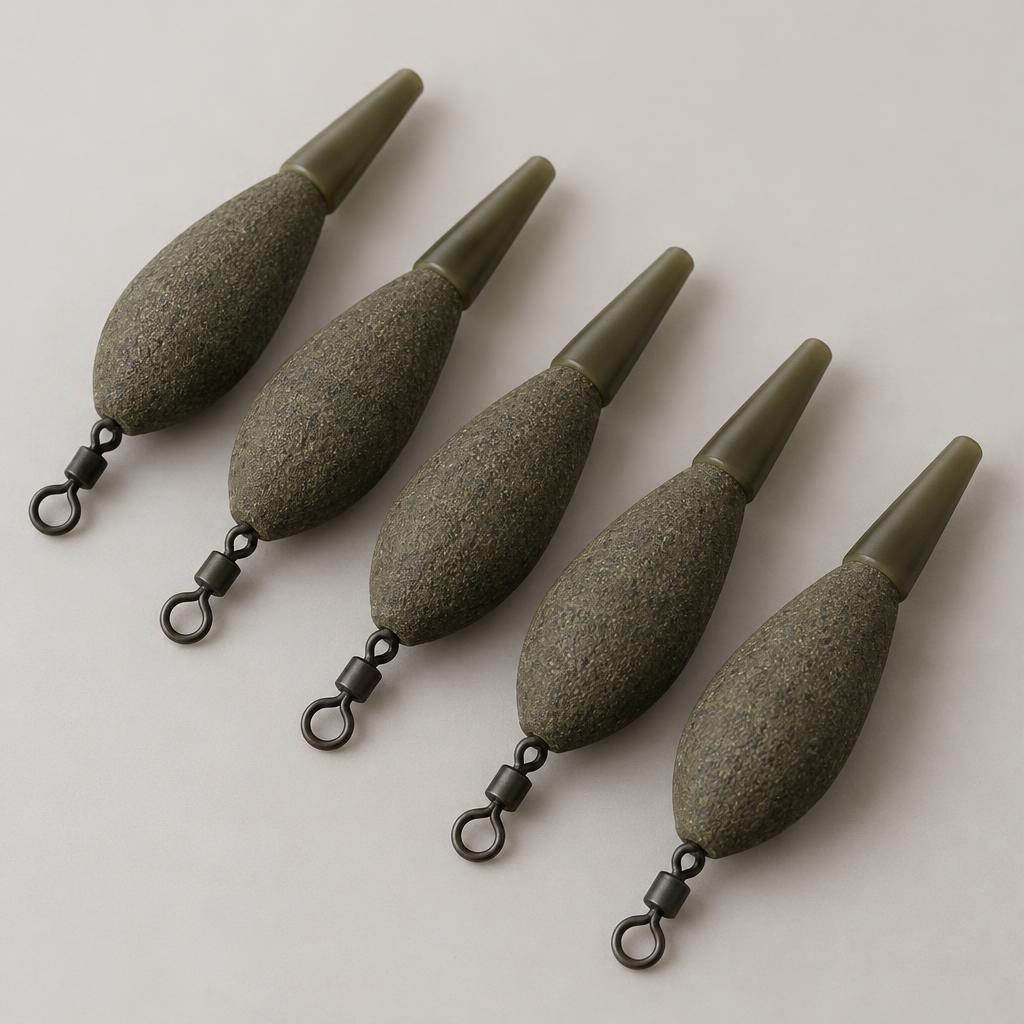
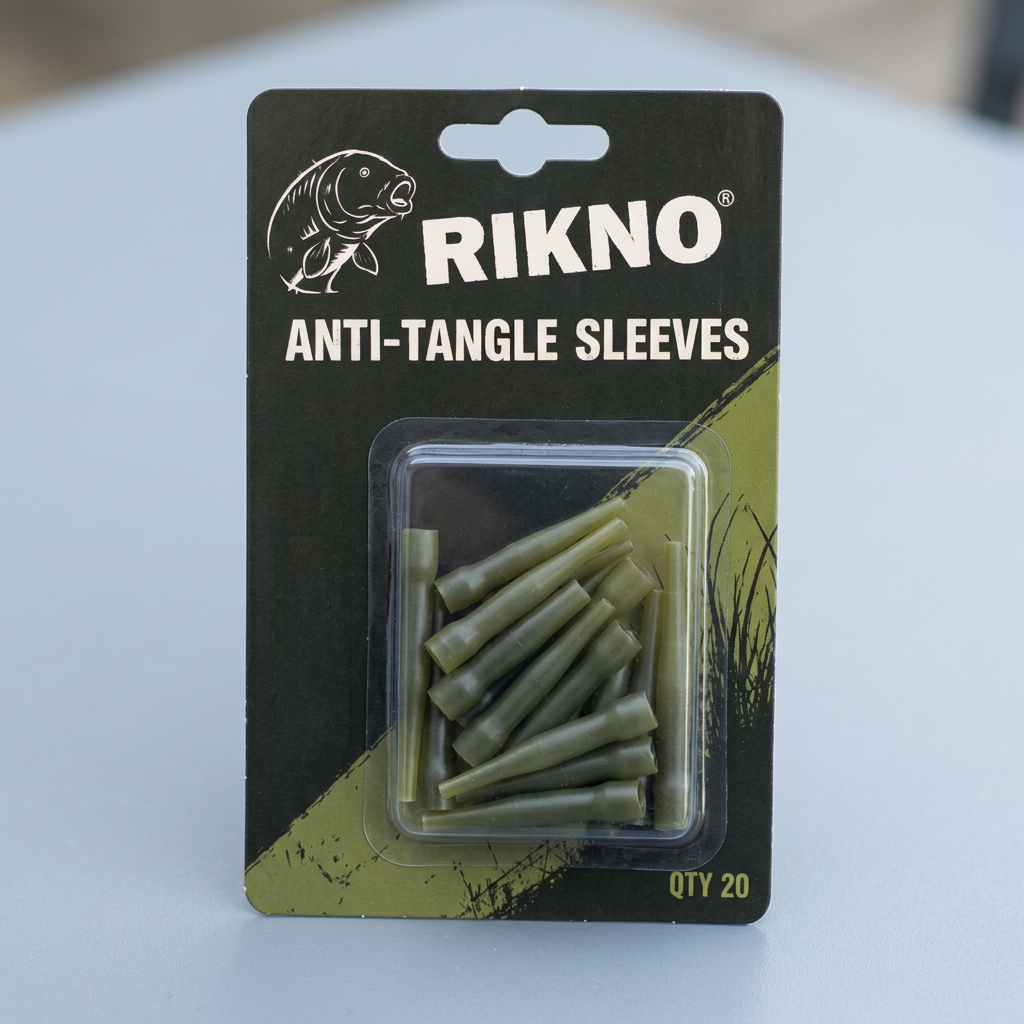
Items from the RIKNO range that fit what this guide covers.
More guides
Reading water
Reading a new venue: finding fish before you cast
How to work out where carp are holding in water you have never fished, using what you can see and what you can feel.
Rigs and terminals
Choosing the right pop-up rig: spinner, hinged stiff or multi
Three pop-up presentations, three different jobs. What each one does, when it works, and how to fish it.
Bait and feeding
Building a bait plan for a 48-hour session
A feeding plan that attracts carp, keeps them on the spot, and doesn't fill them up before you have had a chance of a capture.
Want a setup for your next trip?
Tell the setup advisor your target species, venue and conditions and it will put together a setup from the RIKNO range.
Get setup advice