
Reading water
Reading a new venue: finding fish before you cast
14 October 2026 · 7 min read
How to work out where carp are holding in water you have never fished, using what you can see and what you can feel.
Arriving at water you have never fished is the hardest part of carp fishing, and the reason most anglers get it wrong is that they start fishing before they have looked. The fish are usually visible or indicated somewhere, and the features that hold them can be found from the bank in an hour.
What you can see
- Rolling and tailing fish tell you they are in an area, not necessarily that they are feeding. Use it as a starting point, not an answer.
- Rising bubbles over a weedy or silty area often mean carp are rooting there.
- A discoloured patch or silt plume in clear water is a fish on the move.
- Overhanging trees, bridge pillars, inlet streams, weed beds, gravel bars and steep-to banks are the features that hold fish, and they are visible from the bank.
What you can feel
Marks are found with the lead. Cast to a suspected area, let the lead settle, then wind it back along the bottom and read what comes up. A lead that returns clean and light has crossed gravel, clay or a hard margin; one that comes up coated and earthy has crossed silt. Those changes are where fish sit.
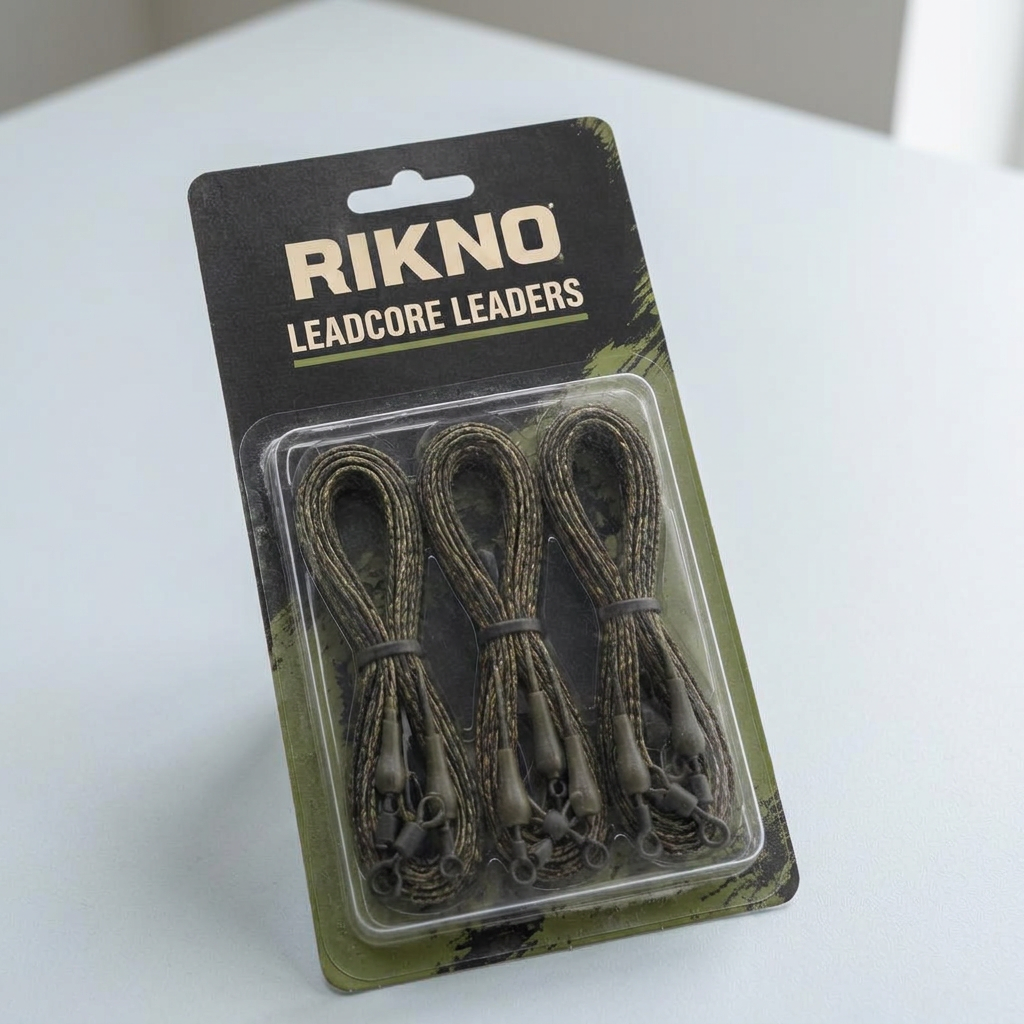
- A marker float or a leadcore leader makes the reading simple and quick.
- Map the distance to each change of lakebed and mark your clip at those distances.
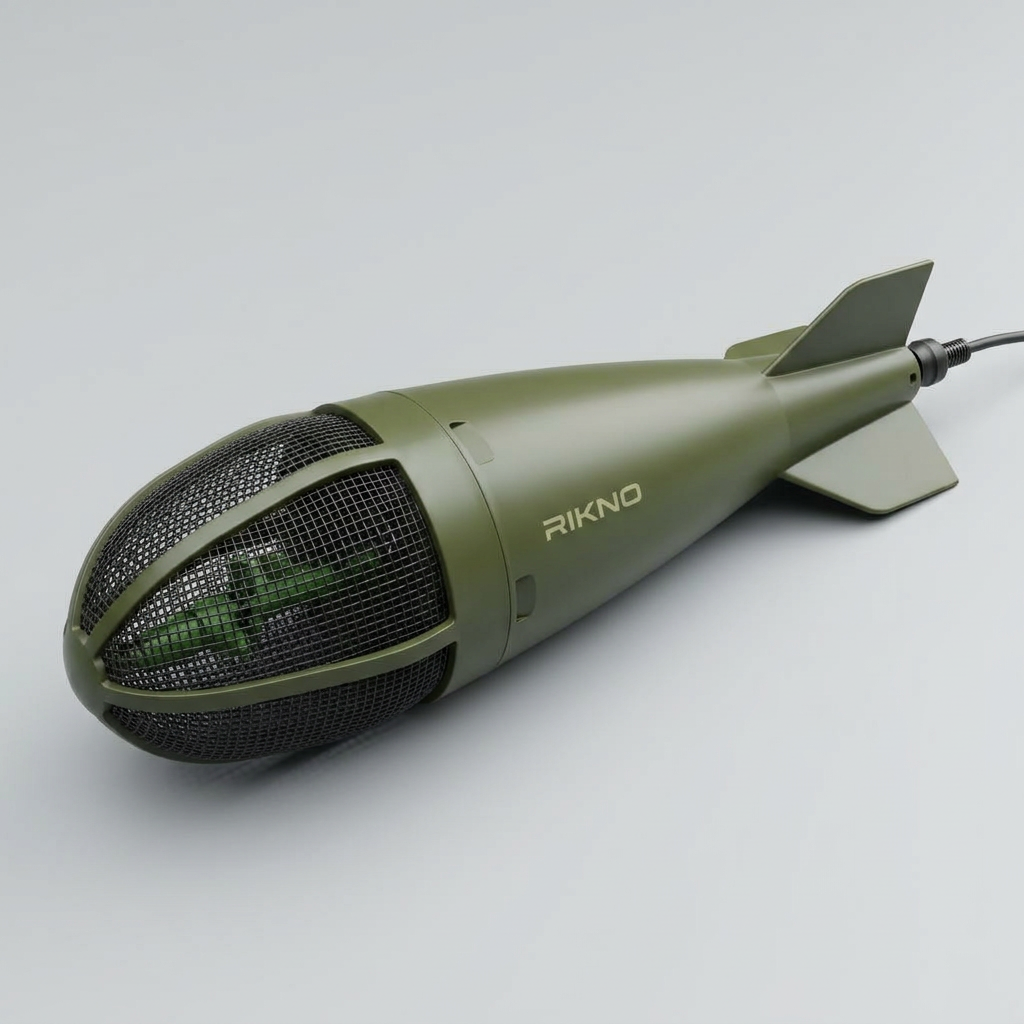
- A spod or a throwing stick lets you confirm a mark and then feed it accurately.
How weather and season shift the fish
Carp move for the same reasons every year. Warm, stable weather and a south-westerly wind usually make fish more mobile and willing to feed in shallow water. A cold north-easterly and dropping pressure usually pushes them deep and slow. Bright, still days in clear water push carp into weed and cover; windy days push them towards the bank the wind is blowing into, because that is where the food collects.
- Spring: shallow, sunny, weed-starting areas warm first and hold fish.
- Summer: weed beds, clear patches and margins, mostly at dawn, dusk and through the night.
- Autumn: fish move as the water cools — follow the food and the temperature drop.
- Winter: deep, slow, undisturbed water, fished slowly with small bait quantities.
Give yourself time
The single biggest improvement most anglers can make is to arrive early and spend the first hour looking rather than fishing. On a venue you know well that hour is wasted. On water you have never fished, it is the difference between fishing a swim and fishing fish.
Check the venue's rules before you mark and bait: many fisheries restrict spodding, bait quantities or the use of marker floats, and those rules shape how you fish the water.
Kit mentioned in this guide
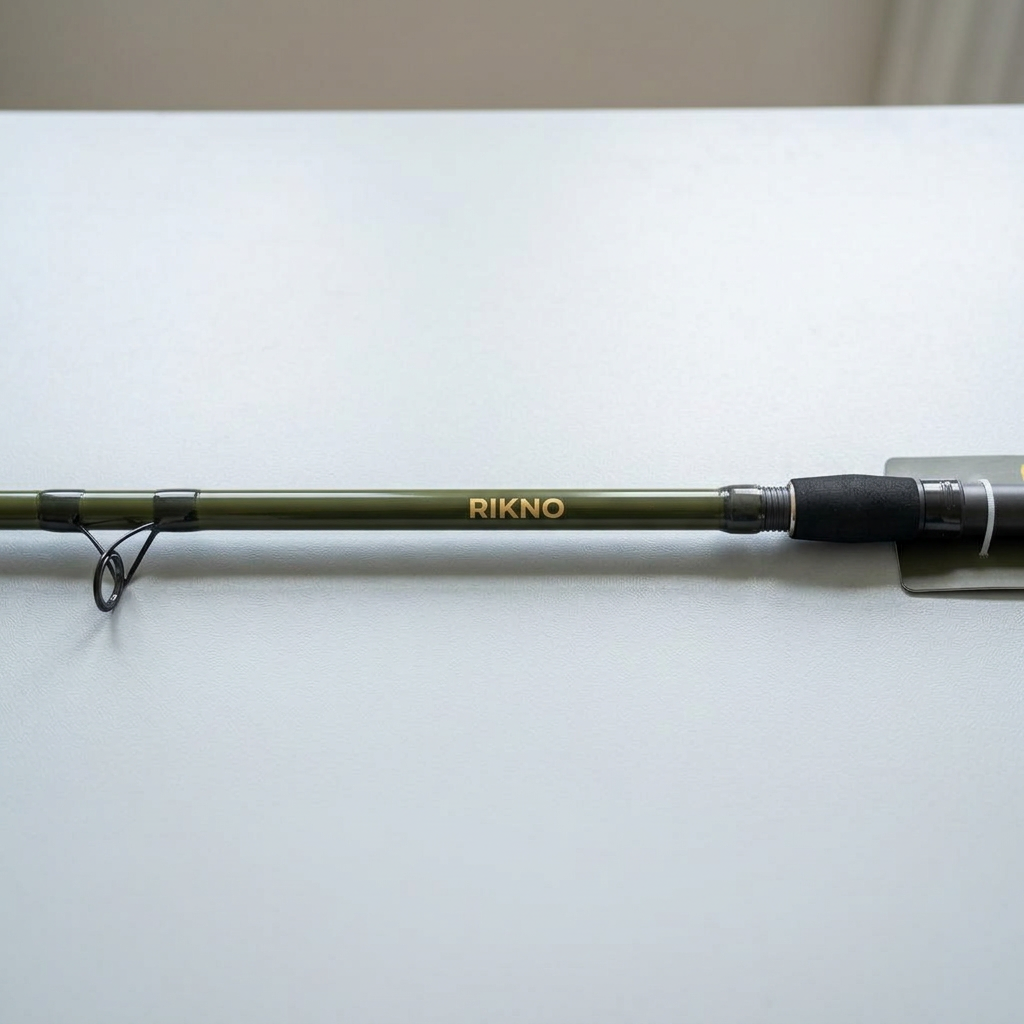
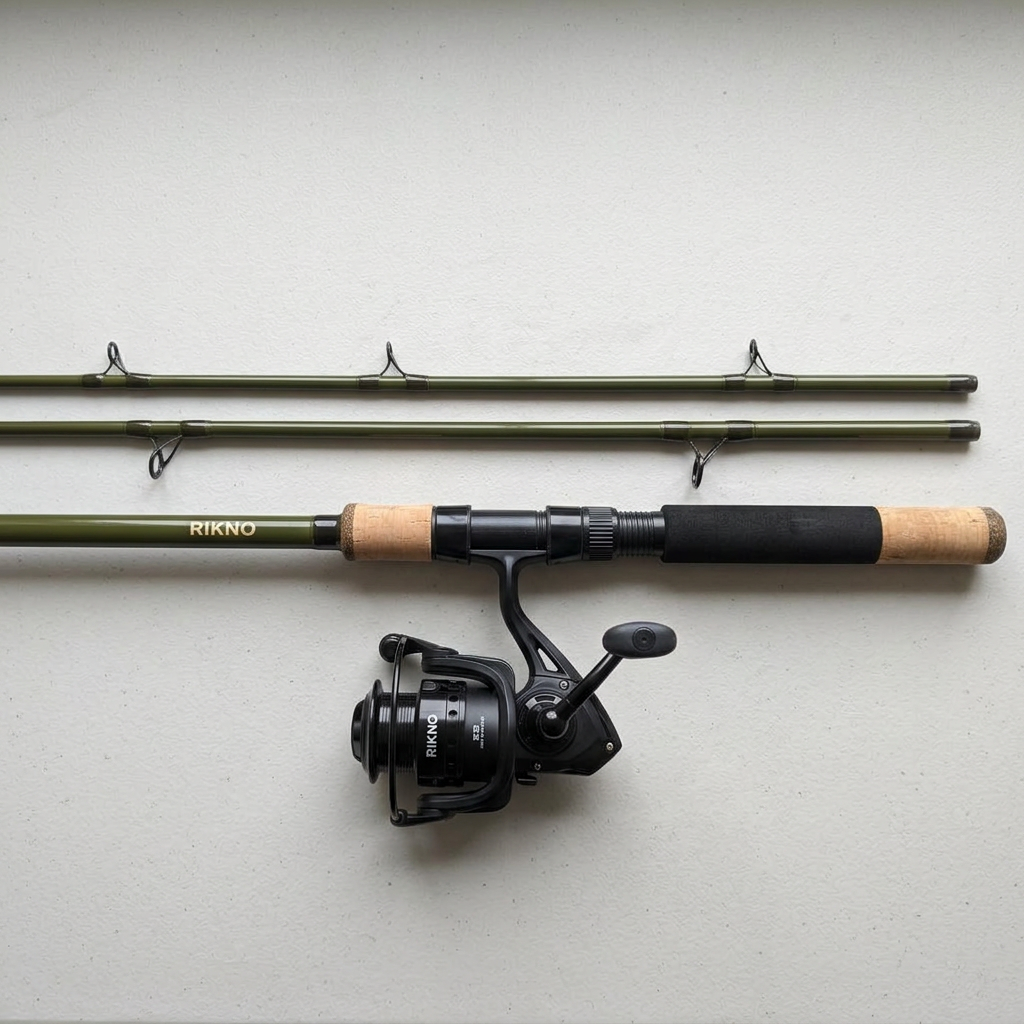
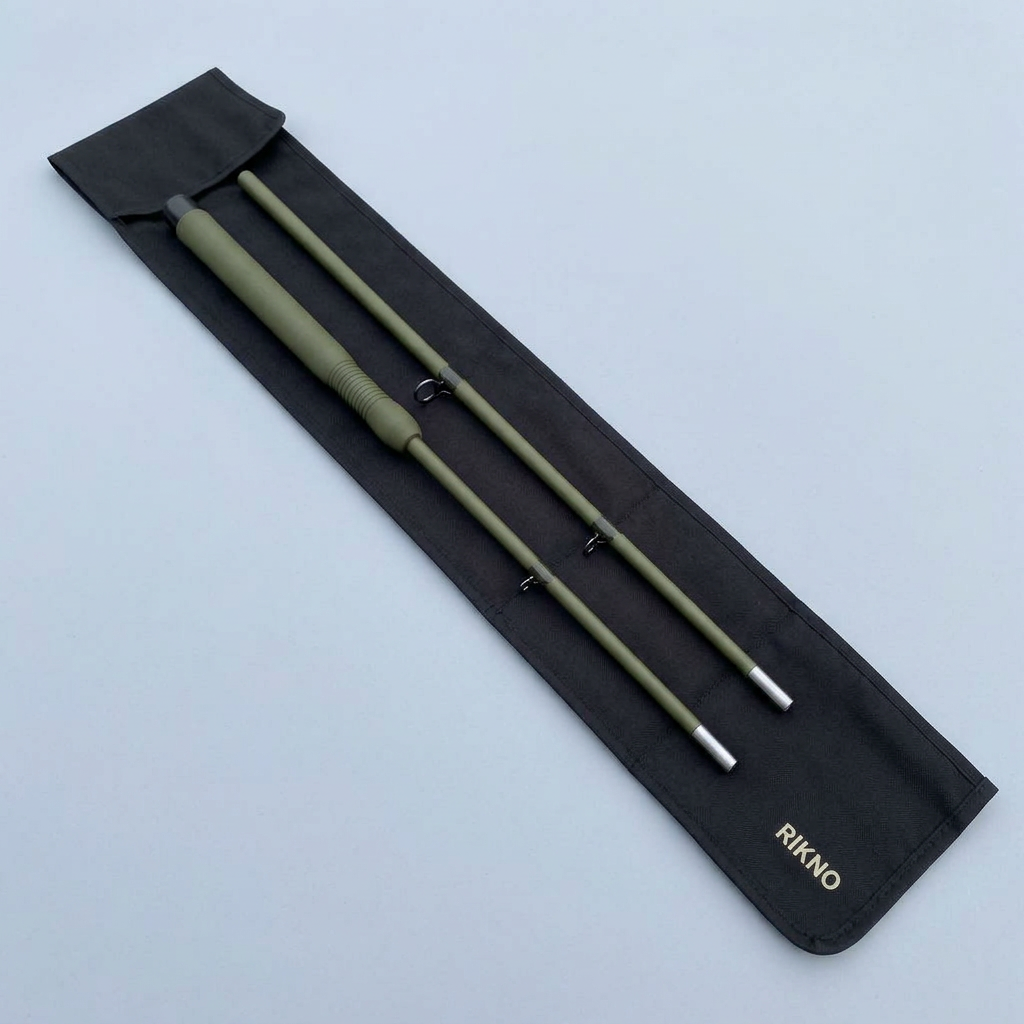
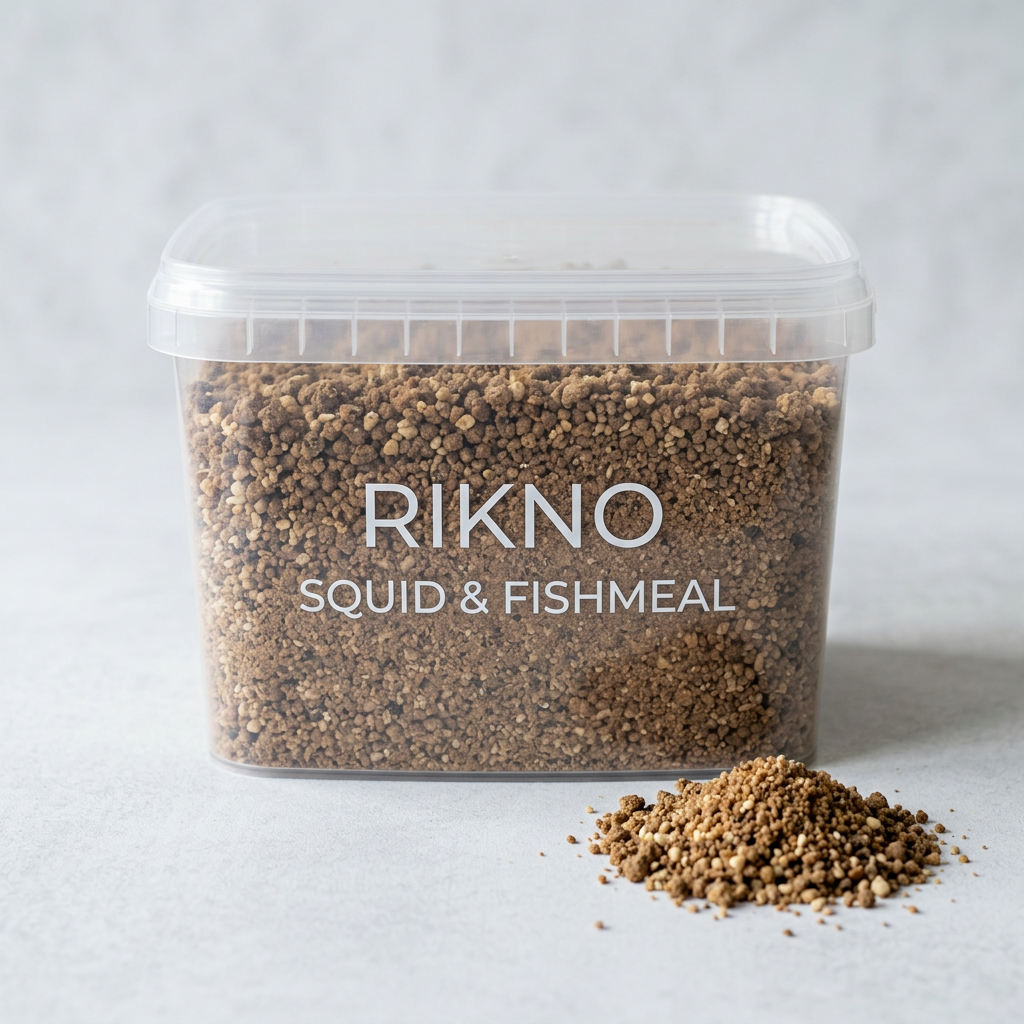
Items from the RIKNO range that fit what this guide covers.
More guides
Reading water
How to fish silt, mud, clay and sand
The lakebed decides how your bait sits and how visible it is. Here is how to read it and match your presentation to it.
Rigs and terminals
Choosing the right pop-up rig: spinner, hinged stiff or multi
Three pop-up presentations, three different jobs. What each one does, when it works, and how to fish it.
Bait and feeding
Building a bait plan for a 48-hour session
A feeding plan that attracts carp, keeps them on the spot, and doesn't fill them up before you have had a chance of a capture.
Want a setup for your next trip?
Tell the setup advisor your target species, venue and conditions and it will put together a setup from the RIKNO range.
Get setup advice