Rigs and terminals
Choosing the right pop-up rig: spinner, hinged stiff or multi
14 October 2026 · 6 min read
Three pop-up presentations, three different jobs. What each one does, when it works, and how to fish it.
A pop-up rig is not one rig. The same buoyant bait can be presented rolling on the lakebed, sitting on it, or hovering just above it — and which of those you want depends on the ground you are fishing and how the carp are behaving. The three presentations below cover most carp situations.
The spinner (roller)
A spinner is a hook with the bait mounted so it can rotate around the bend. The bait rolls on the lakebed and the hook point stays angled upward, which is why it is such a useful rig over silt and weed: the hook is presented above the weed rather than buried in it.
- Best over soft ground, weed and anywhere a normal rig would lie flat and get smothered.
- The rolling action suits carp that are moving through and picking baits up rather than patrolling one spot.
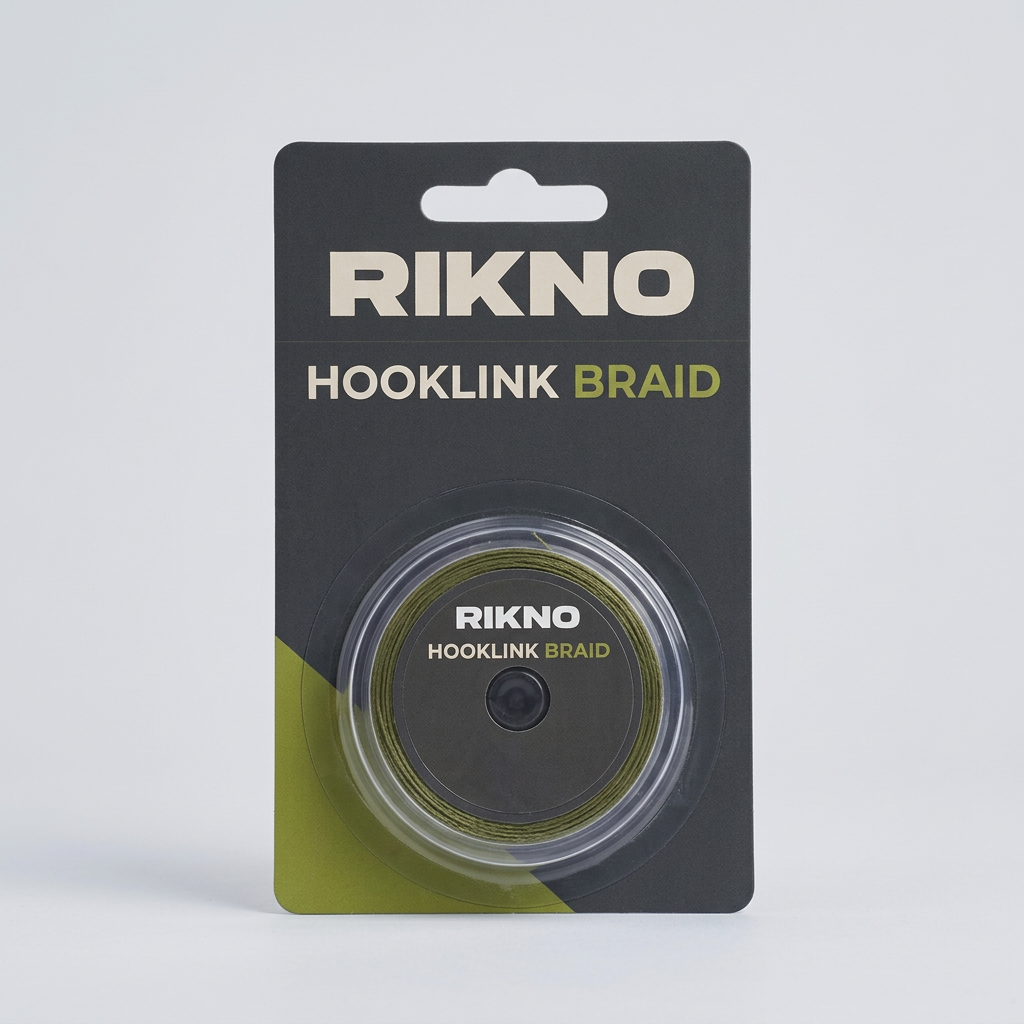
- Use a short, soft hooklink so the rig turns freely, and keep the bait small — a heavy bait will not roll.
The hinged stiff rig
A stiff hooklink hinged at the lead so the bait sits on the lakebed with the hook angled up. It is the most direct pop-up presentation: the bait is exactly where you put it, the hook is close, and the fish is picked up quickly.
- Best on clean, firm ground where you can see your mark and want the bait in a precise spot.
- Suits a feeding pattern: the fish is on a small area of food and the bait sits inside it.
- Keep the stiff section short. Too long and wary carp will mouth the link rather than the bait.
The multi rig
A multi rig lets you set the hook at an angle — usually 45 or 90 degrees — so the bait hovers just above the lakebed. It is the presentation to reach for when carp are over the bait but not committing, or when a bait on the deck is being mouthed and rejected.
- Best for wary or pressured fish, and for clear water where carp can see the rig.
- Suits a bait that is being nibbled rather than eaten: a hovering bait is easier to take in properly.
- Match the buoyancy to the angle. A bait set at 90 degrees needs to be buoyant enough to hold itself up.
Match the rig to the fish you have
The simplest way to choose: soft ground and roaming fish, spin. Firm ground and a defined feeding spot, hinged stiff. Fish over the bait but not committing, multi. Whichever you pick, keep the hooklink short and the bait small — pop-up rigs fail far more often from over-fiddling than from anything wrong with the rig itself.
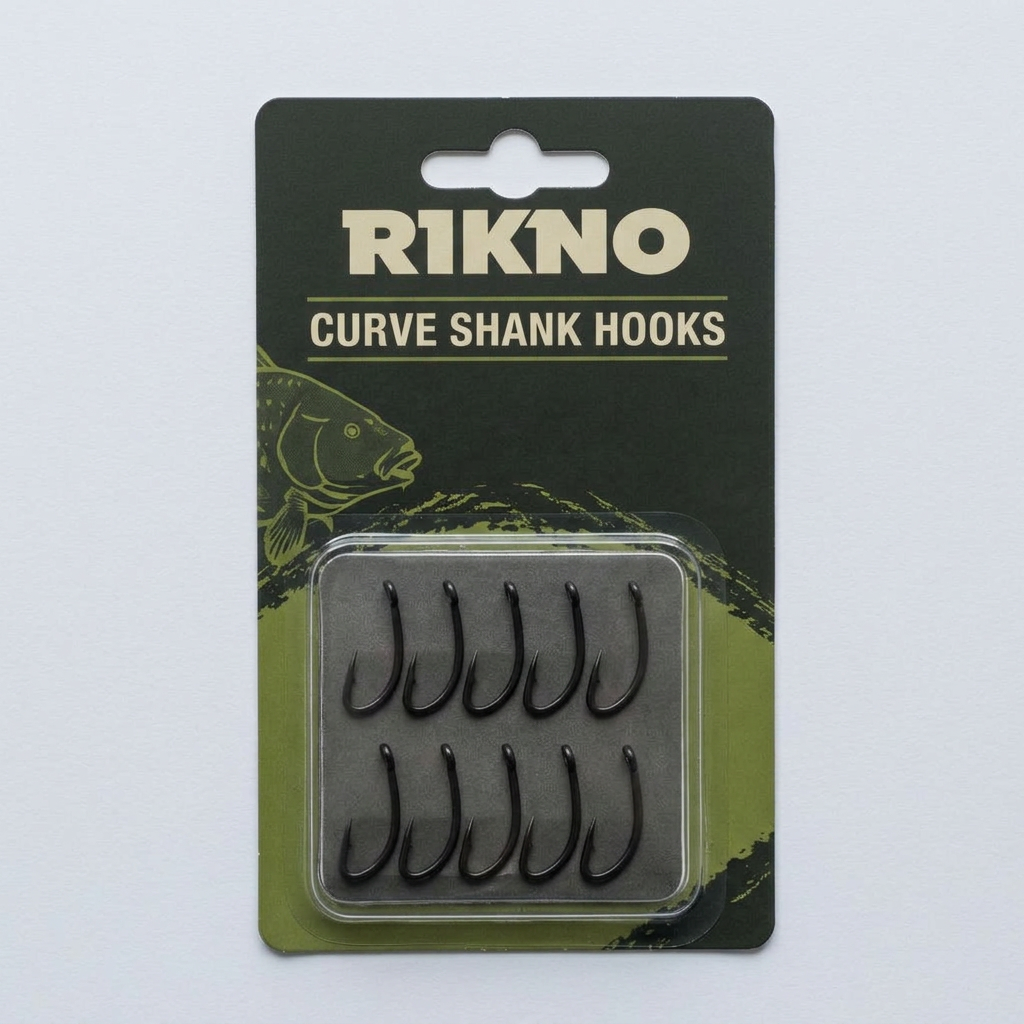
Whatever rig you fish, make sure you can get the hook home. A sharp hook and a hooklink matched to your bait's buoyancy matter more than the style of rig you choose.
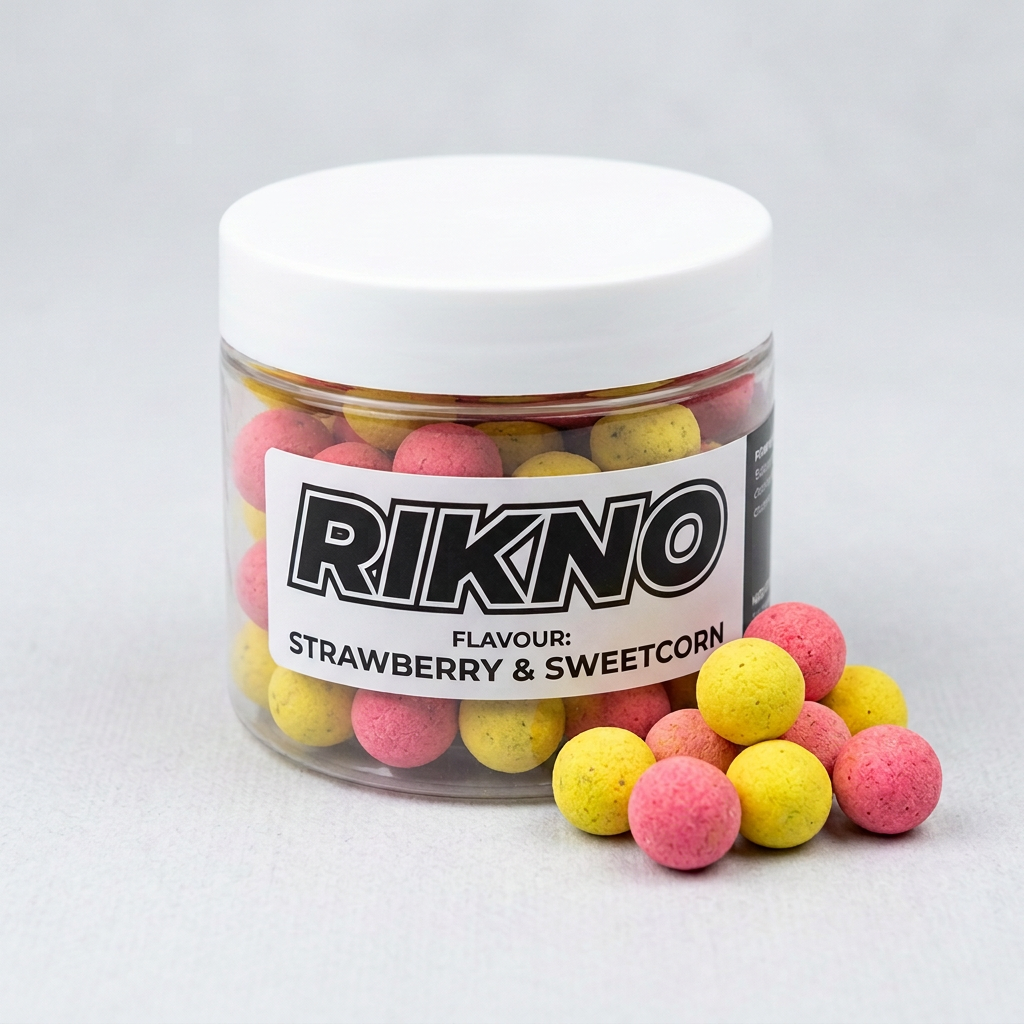
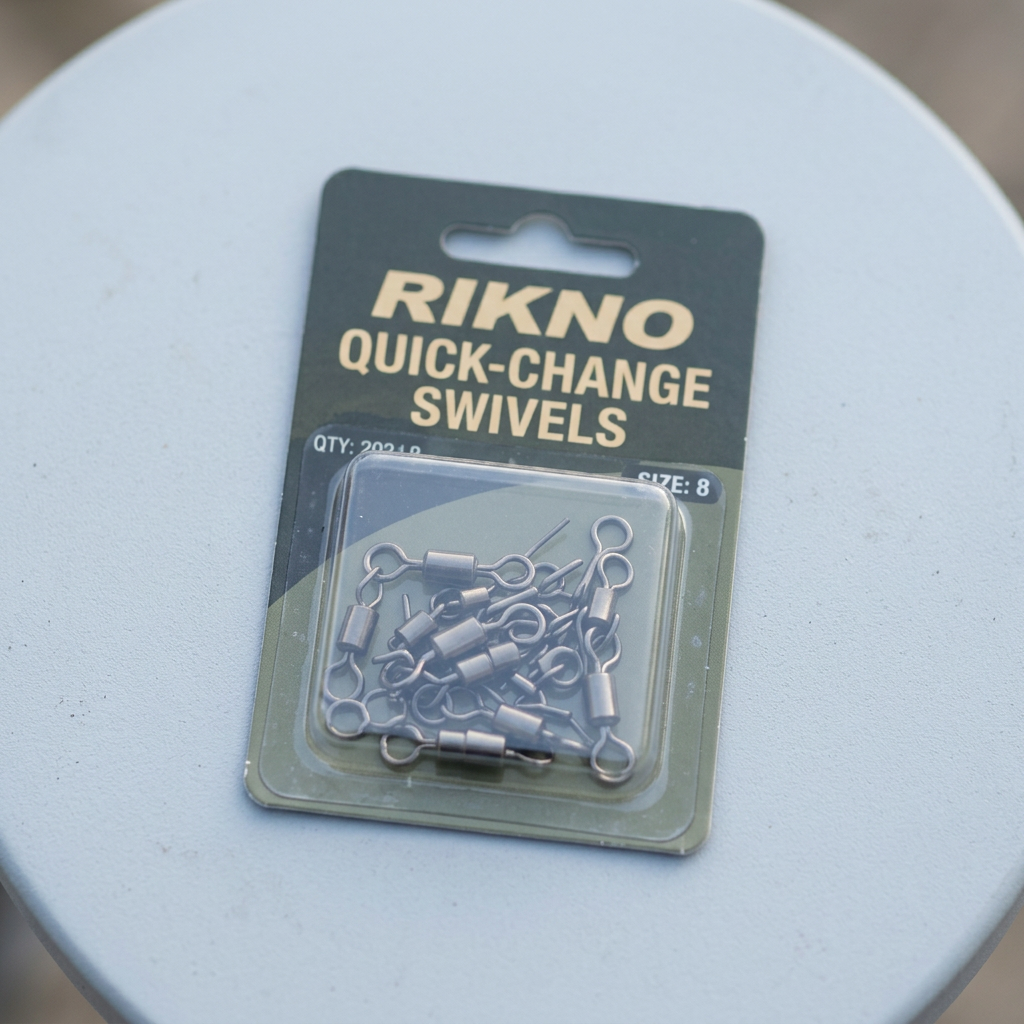
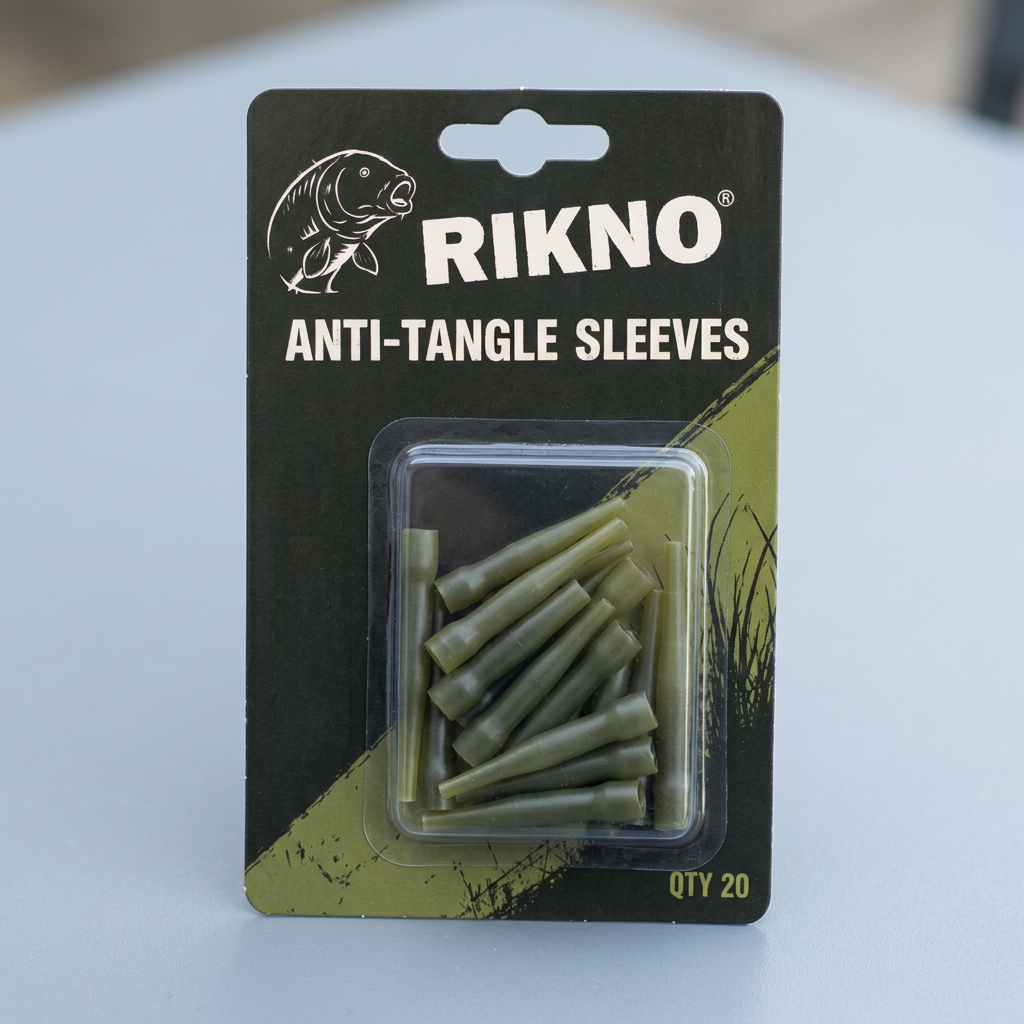
Kit mentioned in this guide
Items from the RIKNO range that fit what this guide covers.

More guides
Rigs and terminals
Knots and terminals every carp angler should know
Six knots and a handful of terminals cover almost everything you will do on a carp mark. What they are and when to use them.
Reading water
How to fish silt, mud, clay and sand
The lakebed decides how your bait sits and how visible it is. Here is how to read it and match your presentation to it.
Reading water
Reading a new venue: finding fish before you cast
How to work out where carp are holding in water you have never fished, using what you can see and what you can feel.
Want a setup for your next trip?
Tell the setup advisor your target species, venue and conditions and it will put together a setup from the RIKNO range.
Get setup advice