Rigs and terminals
Knots and terminals every carp angler should know
14 October 2026 · 6 min read
Six knots and a handful of terminals cover almost everything you will do on a carp mark. What they are and when to use them.
You do not need many knots to fish for carp well, but you need the ones you use to be right, because a poor knot is the most common reason a good fish is lost. These are the six that matter most, plus the terminals that do the rest of the work.
The knots
- Uni knot (Grinner) — the workhorse. Ties monofilament to a swivel, a hook eye or a rig ring, and is easy to tie and check in the dark.
- Uni to uni — joining two lines of similar or different thickness, useful for adding a leader to your mainline.
- Bow knot — the standard way to attach a leadcore leader to your mainline, and it can be undone and retied at the bank.
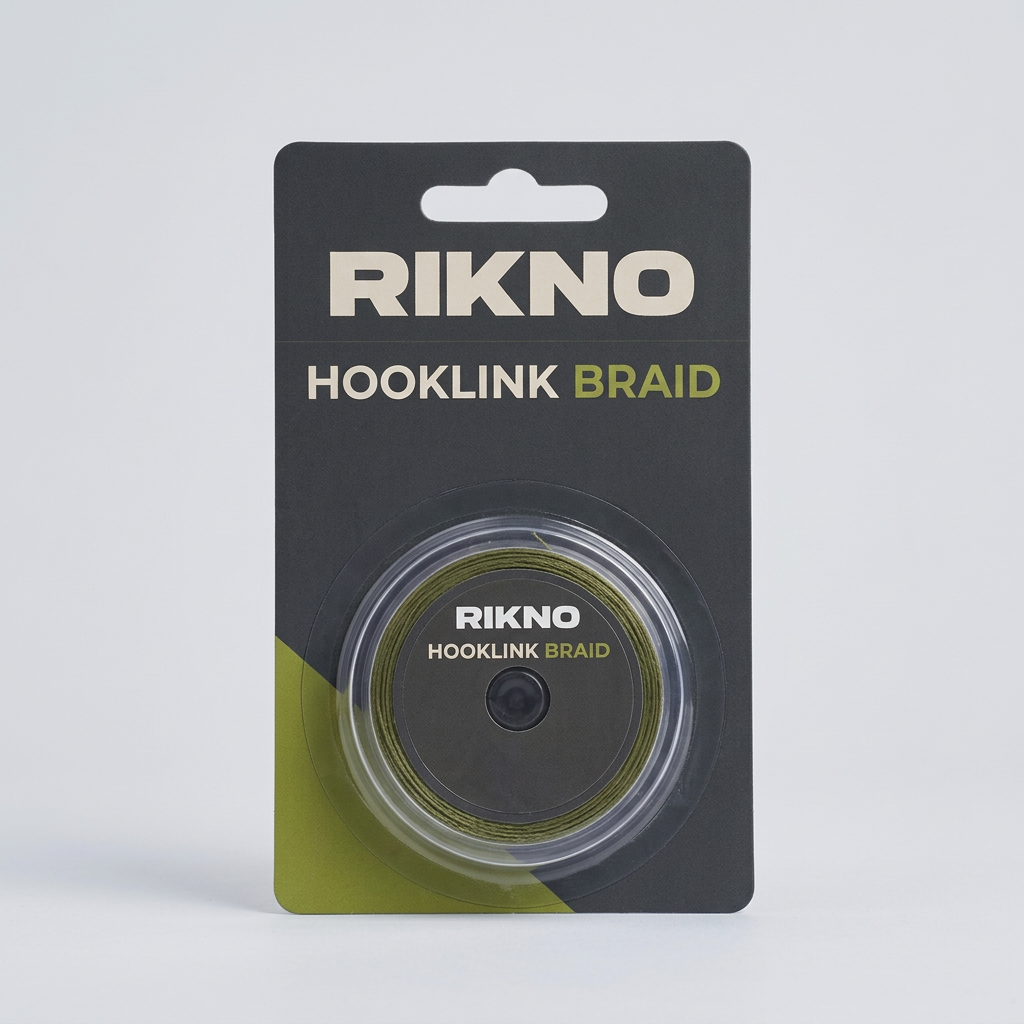
- Hooklink knots for braid — braid needs its own knot; a uni with the right number of turns, or a braid-to-swivel knot made for the material you are using.
- Back-to-back or Albright — for tying mainline to backing on a reel.
- PVA knot — for attaching a PVA bag or a PVA strip to a rig without dissolving it in your hands.
The terminals
Terminals are what let you change your lead without re-tying your rig, which matters when the lakebed changes through a session.
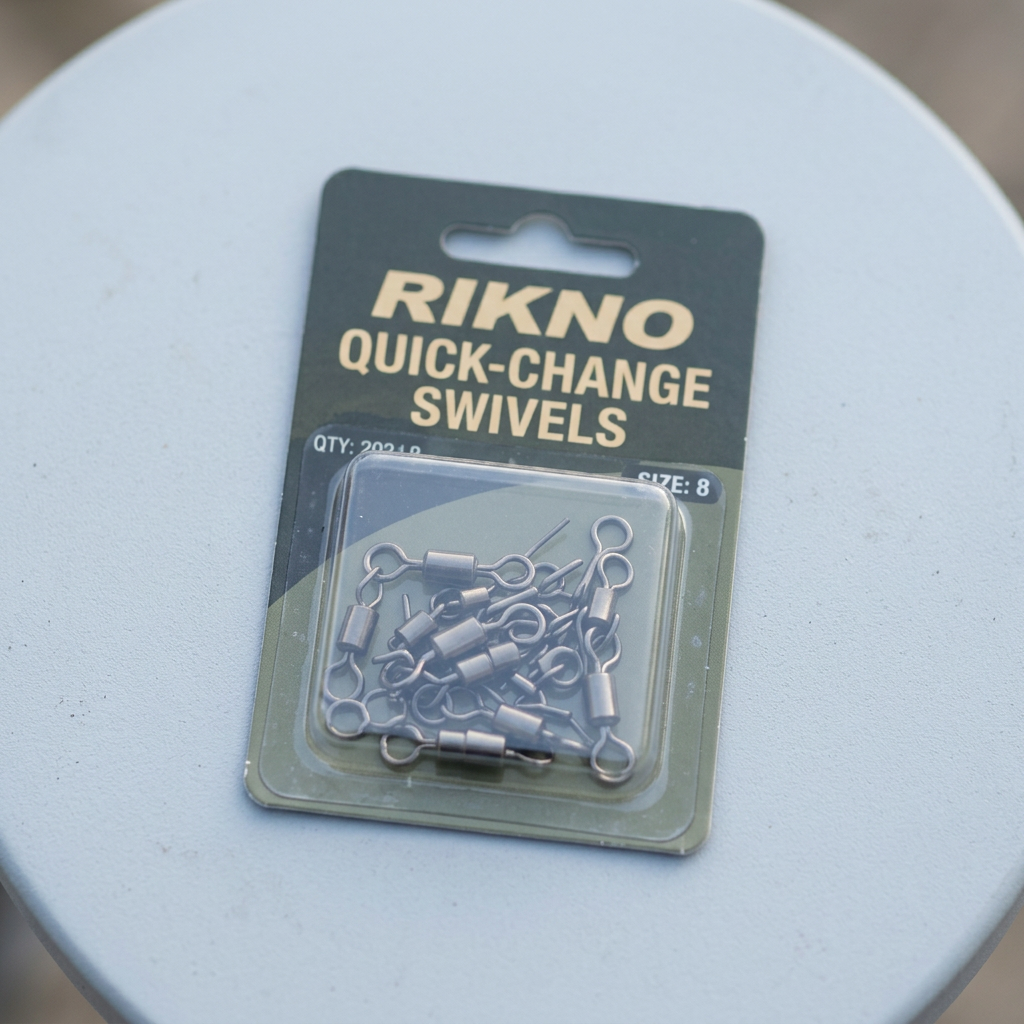
- Quick-change swivels — swap leads in seconds, useful when you are moving between silt and gravel.
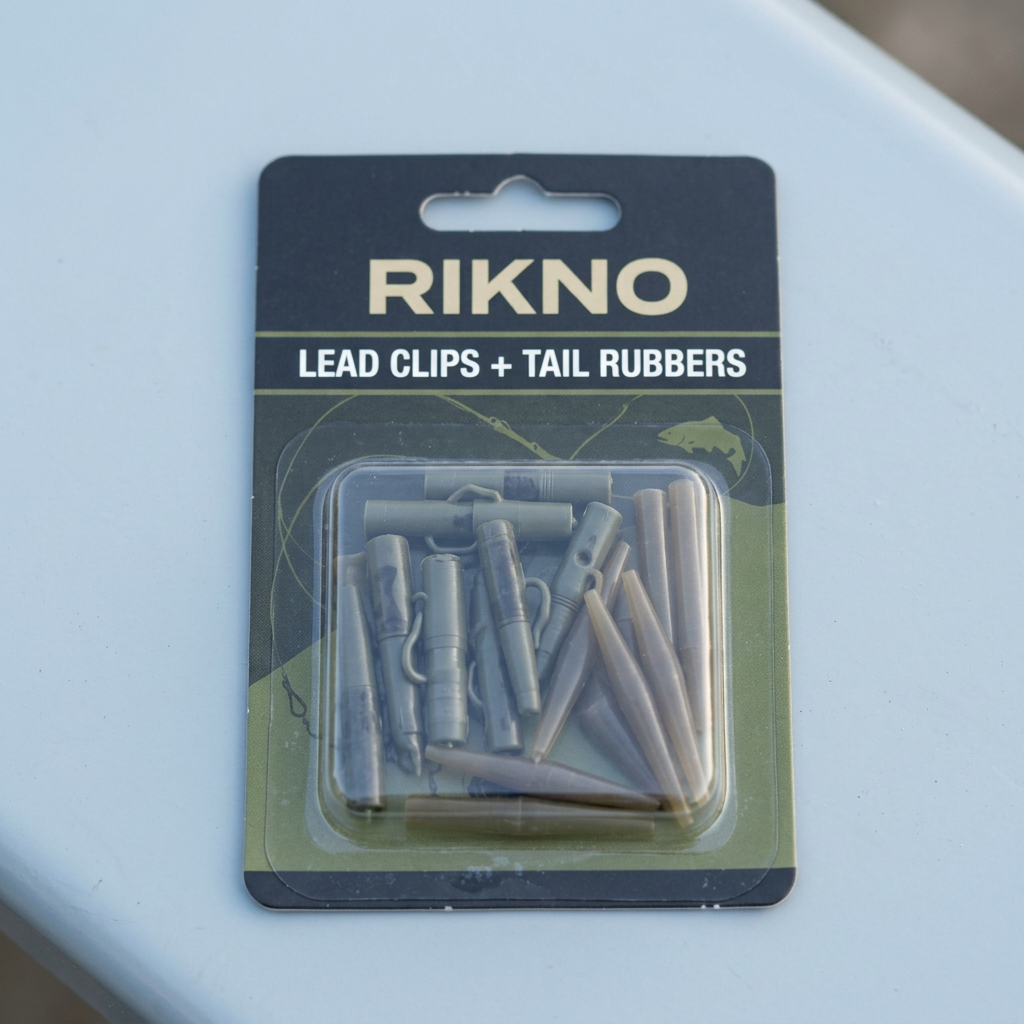
- Lead clips with an inline lead and an anti-tangle sleeve — the standard presentation for a lead that sits away from the rig.
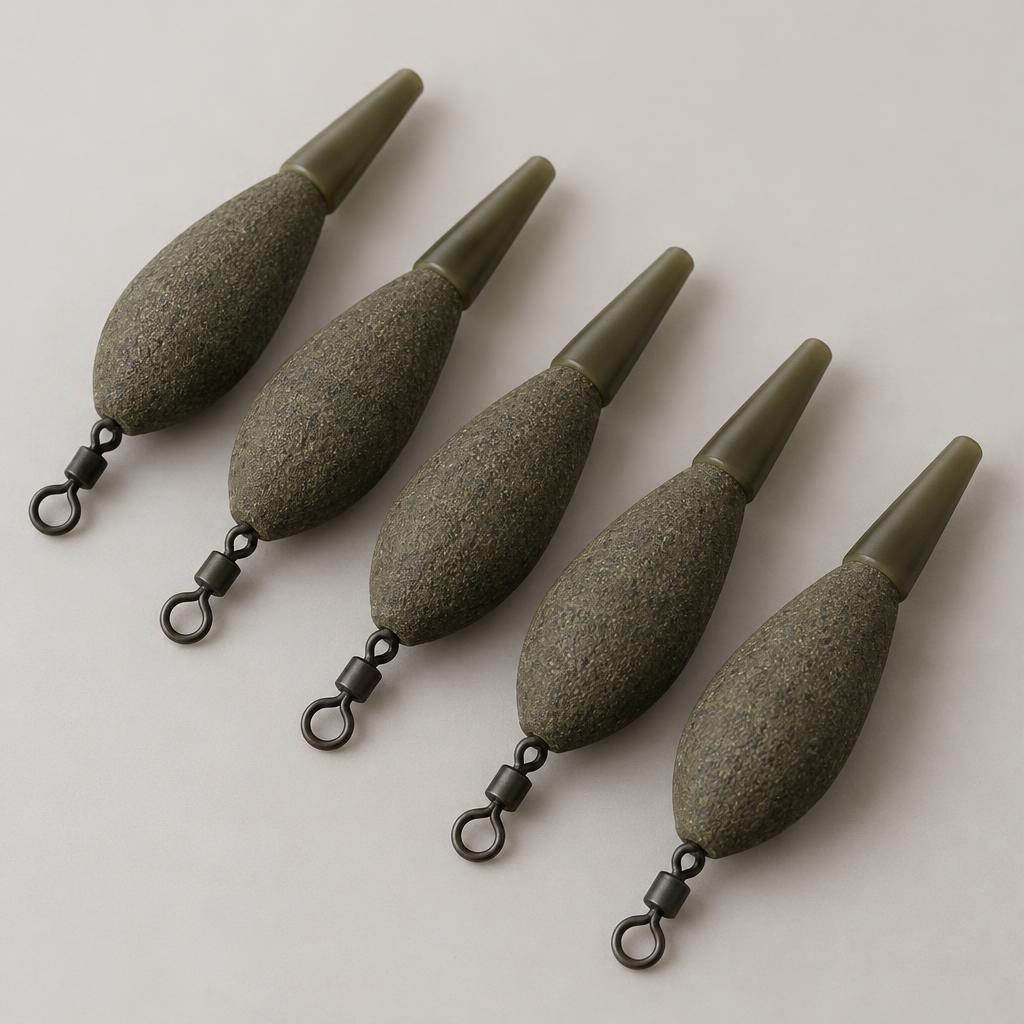
- Inline leads threaded directly — a low-profile option for clean gravel and wary fish.
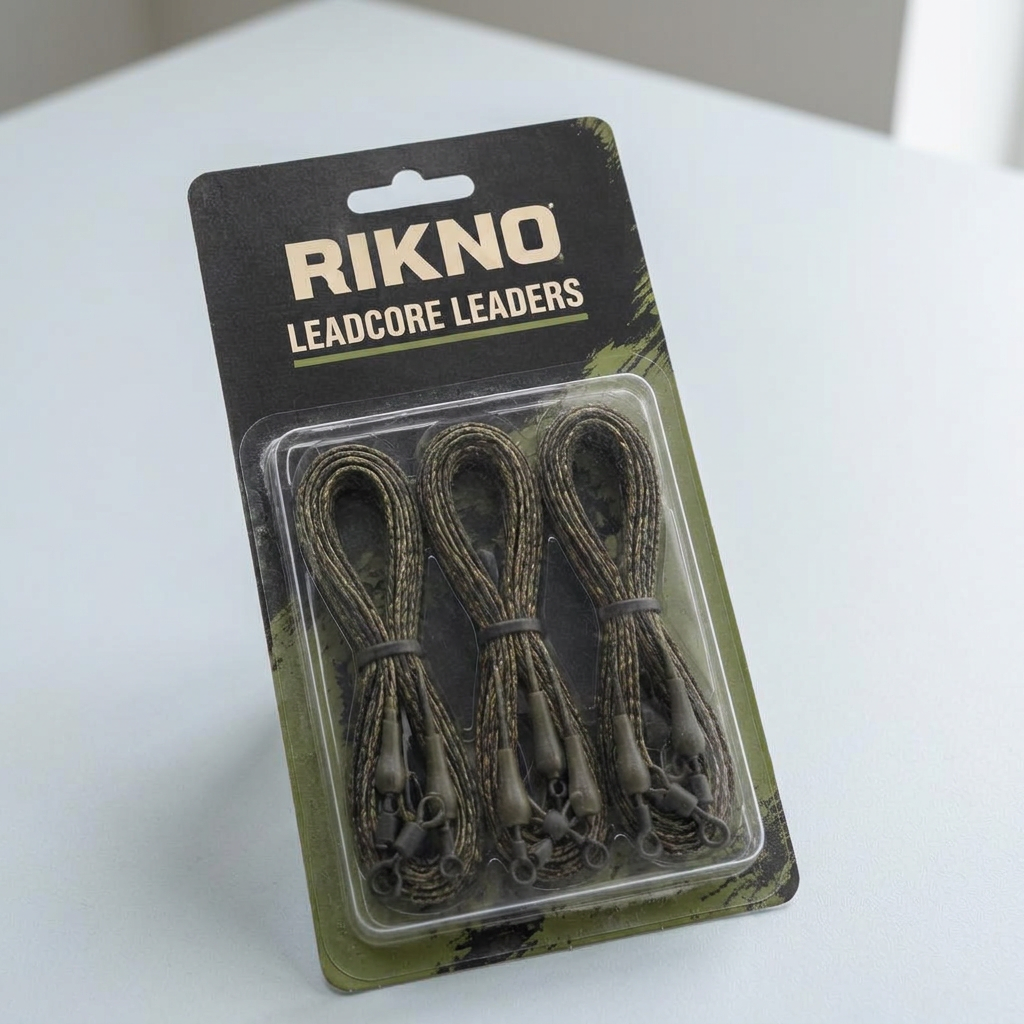
- Leadcore leaders — for putting the lead some distance from the hook, and for reading lakebeds.
- Rig rings and sleeves — for hair rigs and for keeping the presentation tidy.
Tie them before you need them
Every one of these can be tied at the kitchen table, and every one of them is harder in the dark, in the cold, over a net of fish. Tie spares in advance, and check a knot by pulling it tight and looking at it before it goes near a mark.
Moisten a knot before you tighten it. Dry friction weakens mono and braid, and a knot that has been burnt by friction is a fish waiting to be lost.
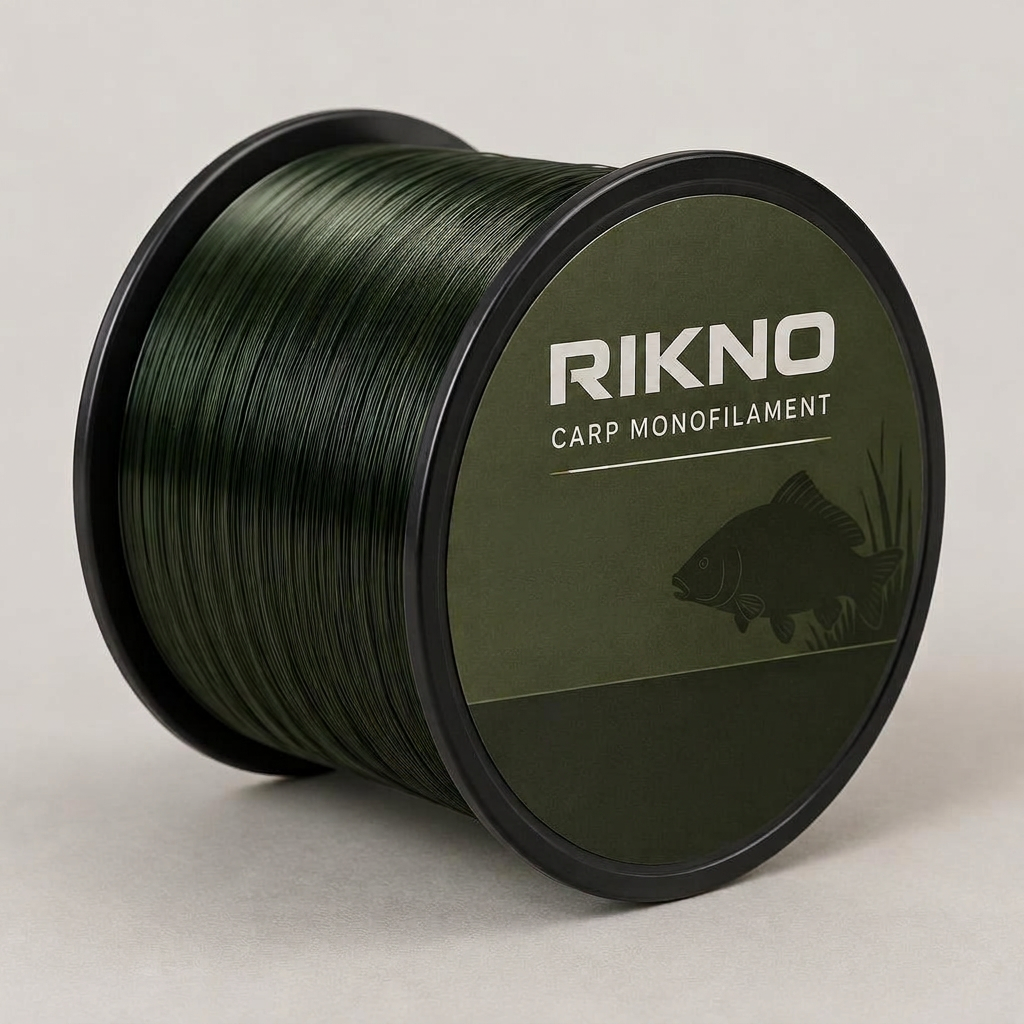
Kit mentioned in this guide
Items from the RIKNO range that fit what this guide covers.
More guides
Rigs and terminals
Choosing the right pop-up rig: spinner, hinged stiff or multi
Three pop-up presentations, three different jobs. What each one does, when it works, and how to fish it.
Reading water
How to fish silt, mud, clay and sand
The lakebed decides how your bait sits and how visible it is. Here is how to read it and match your presentation to it.
Reading water
Reading a new venue: finding fish before you cast
How to work out where carp are holding in water you have never fished, using what you can see and what you can feel.
Want a setup for your next trip?
Tell the setup advisor your target species, venue and conditions and it will put together a setup from the RIKNO range.
Get setup advice