Seasons
Cold-water carp: how autumn and winter fishing changes
14 October 2026 · 6 min read
As the water cools, carp eat less and move less. What to change in your bait, your feeding and your patience.
Carp are cold-blooded, so their digestion slows as the water temperature drops. Everything that works in warm water — big bait quantities, strong feeding, frequent casting — becomes less effective, and the anglers who catch through autumn and winter are usually the ones who have scaled down rather than up.
Feed much less
- Cut bait quantities to a fraction of what you would feed in summer. A few hundred millilitres of food bait is often more than enough.
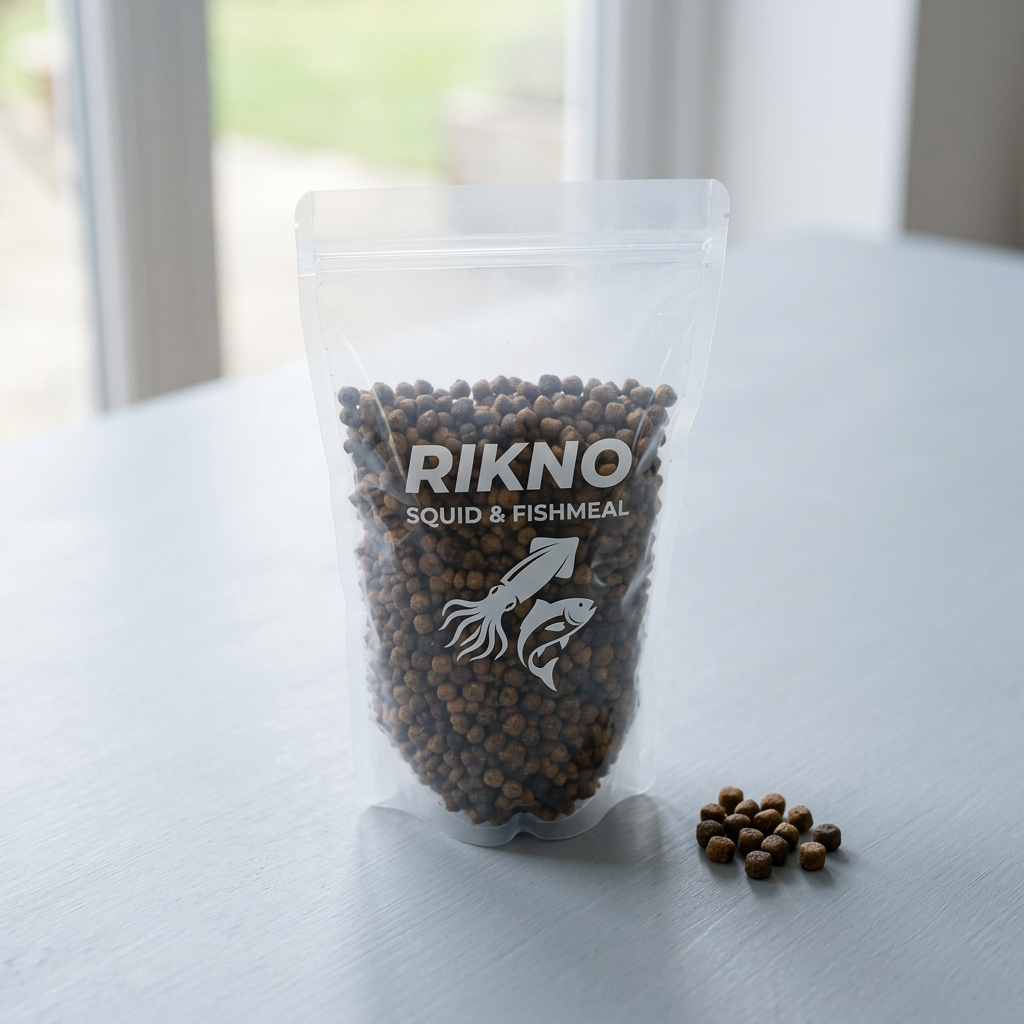
- Prefer small particles and liquids over large boilies — less food, more signal.
- If you are getting bites and not fish, stop feeding and fish on. The carp are on the spot but not hungry.
Bait for cold water
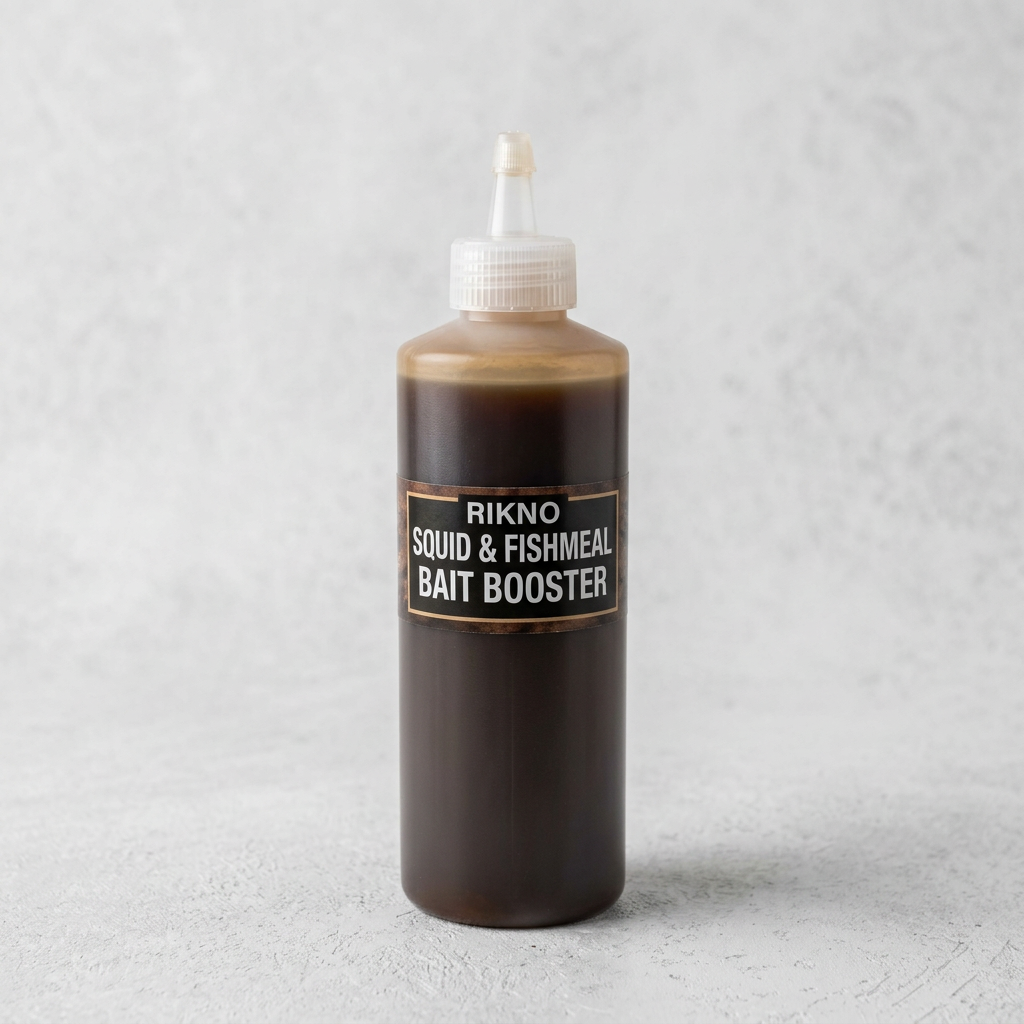
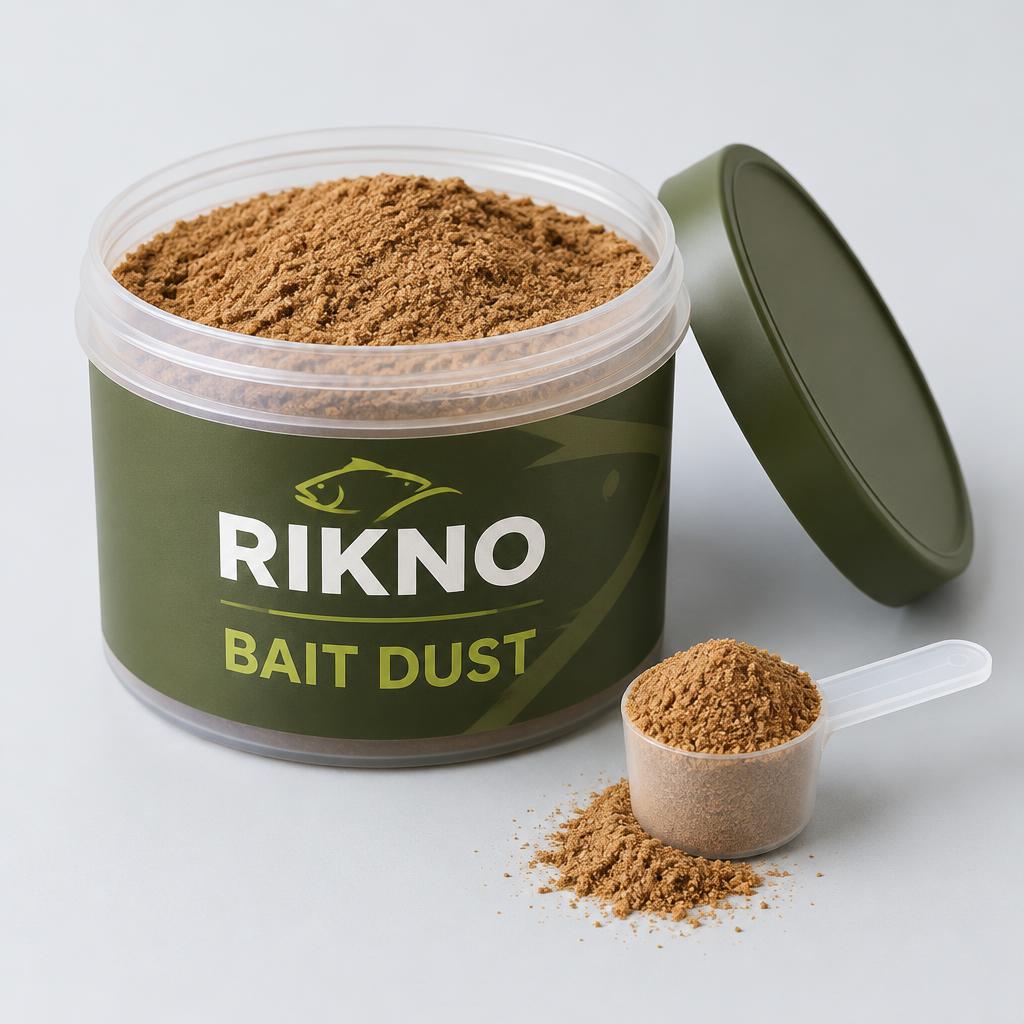
In cold water, soluble attractants travel better than particles. Liquid boosters, sprays, bait dusts and anything that dissolves and carries will do more work than a large bait sitting still. High-value, easily digested baits — hemp, pellets, small soft baits — tend to outperform big boilies once the water is properly cold.
- Use liquids and dusts on everything you put in the water.
- Keep the hookbait small and well soaked.
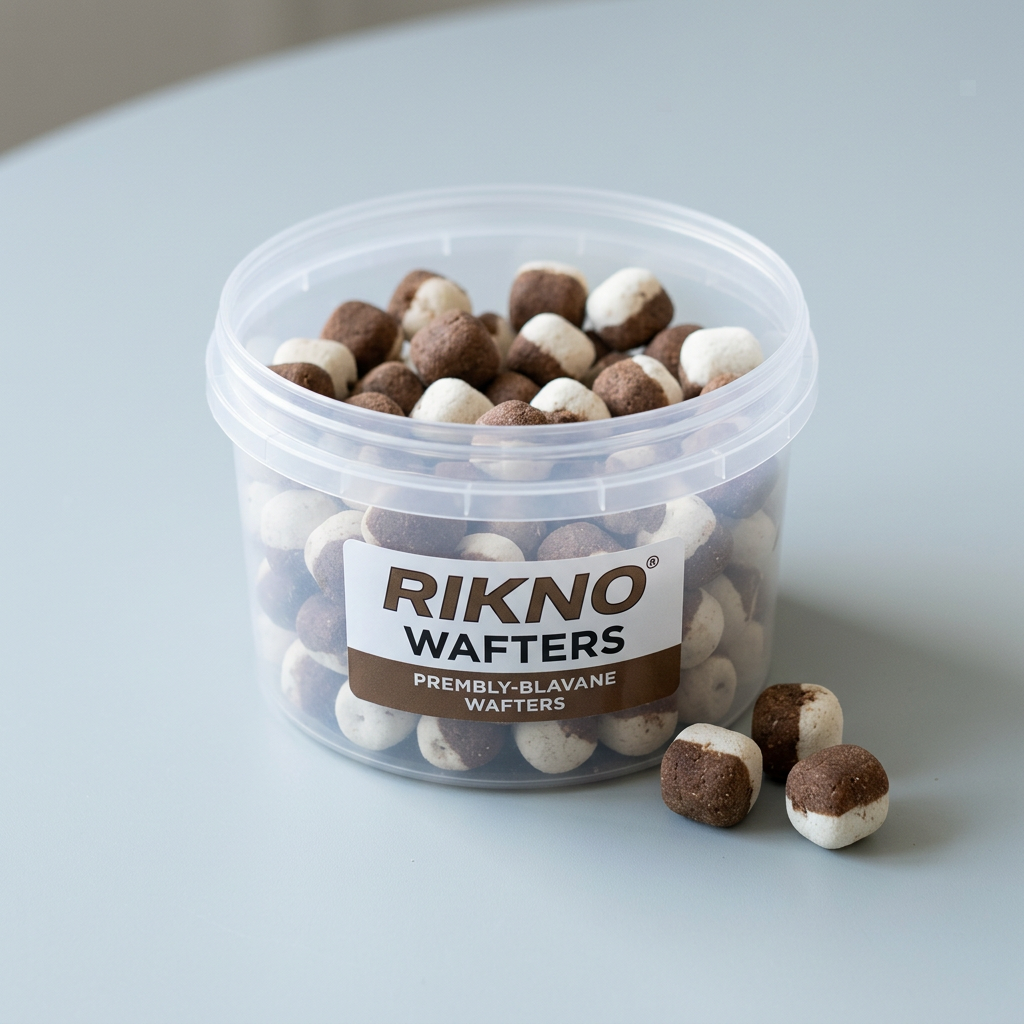
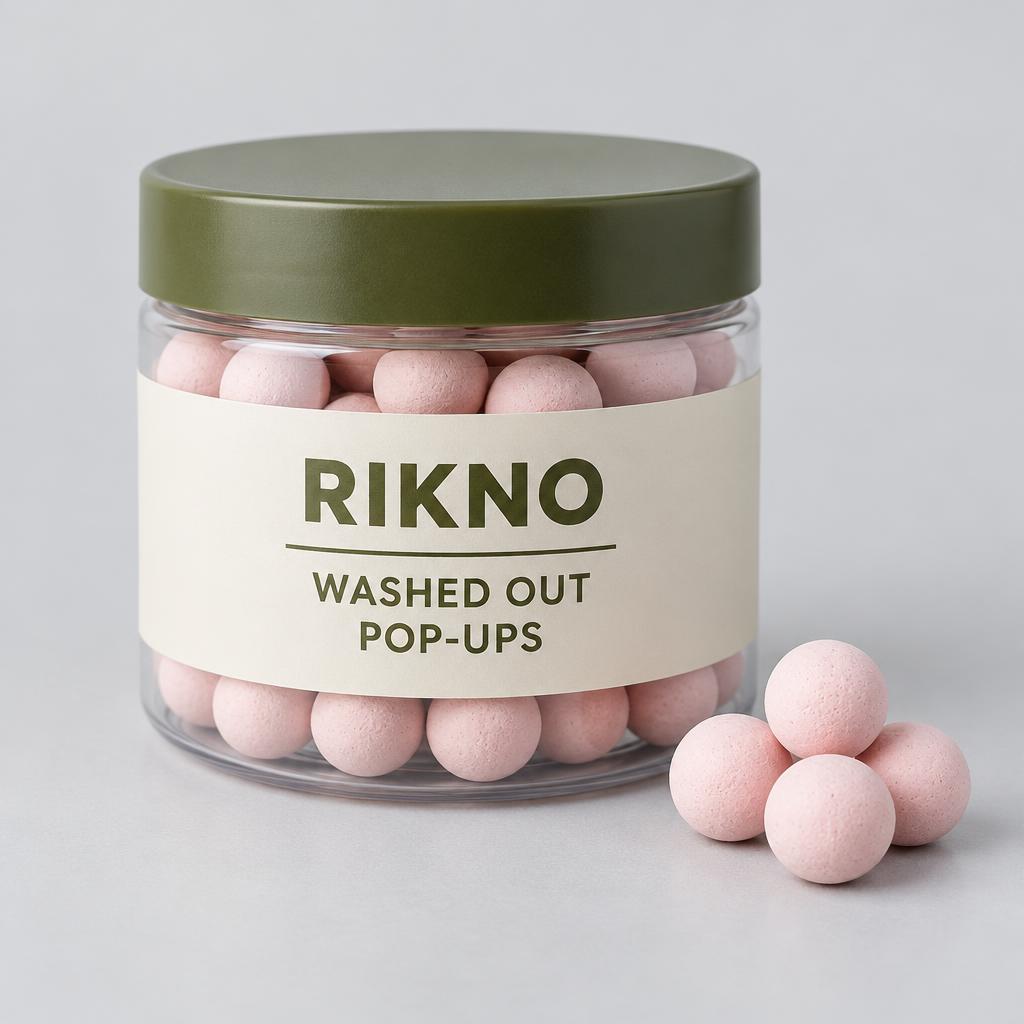
- A wafter or a balanced bait is often a better presentation than a heavy sinking bait in cold, slow water.
Fish slower, longer
Carp in cold water do not move far for a mouthful of food. They hold in deep, slow, undisturbed water and feed opportunistically. That means longer sessions in fewer swims, and resisting the urge to move every time the swim goes quiet.
- Find the deep, quiet area and stay in it. Moving to a shallow mark because it looks promising usually costs you the session.
- Expect a bite window of an hour or two, not all-day feeding.
- Keep your swim tidy and quiet — in clear, cold water, disturbance is expensive.
Cold water also means cold nights on the bank. The same rules apply to you as to the fish: eat, stay dry, and don't let a long session become unsafe because you under-packed.
Kit mentioned in this guide
Items from the RIKNO range that fit what this guide covers.

More guides
Reading water
How to fish silt, mud, clay and sand
The lakebed decides how your bait sits and how visible it is. Here is how to read it and match your presentation to it.
Rigs and terminals
Choosing the right pop-up rig: spinner, hinged stiff or multi
Three pop-up presentations, three different jobs. What each one does, when it works, and how to fish it.
Reading water
Reading a new venue: finding fish before you cast
How to work out where carp are holding in water you have never fished, using what you can see and what you can feel.
Want a setup for your next trip?
Tell the setup advisor your target species, venue and conditions and it will put together a setup from the RIKNO range.
Get setup advice